The Accidental Genius Who Made Summer Bearable for Everyone

When Ink Problems Changed the World
In the summer of 1902, a 25-year-old engineer from rural New York found himself staring at a printing disaster. The Sackett-Wilhelms Lithographing and Publishing Company in Brooklyn was hemorrhaging money because their four-color magazine pages kept coming out blotchy and misaligned. The problem wasn't the presses or the workers—it was the humidity.
Willis Carrier had never intended to revolutionize human comfort. He was just a Cornell graduate with thick glasses and a methodical mind, earning $10 a week at the Buffalo Forge Company. But when his boss handed him this impossible problem—figure out how to control the moisture in a printing plant—Carrier became obsessed.
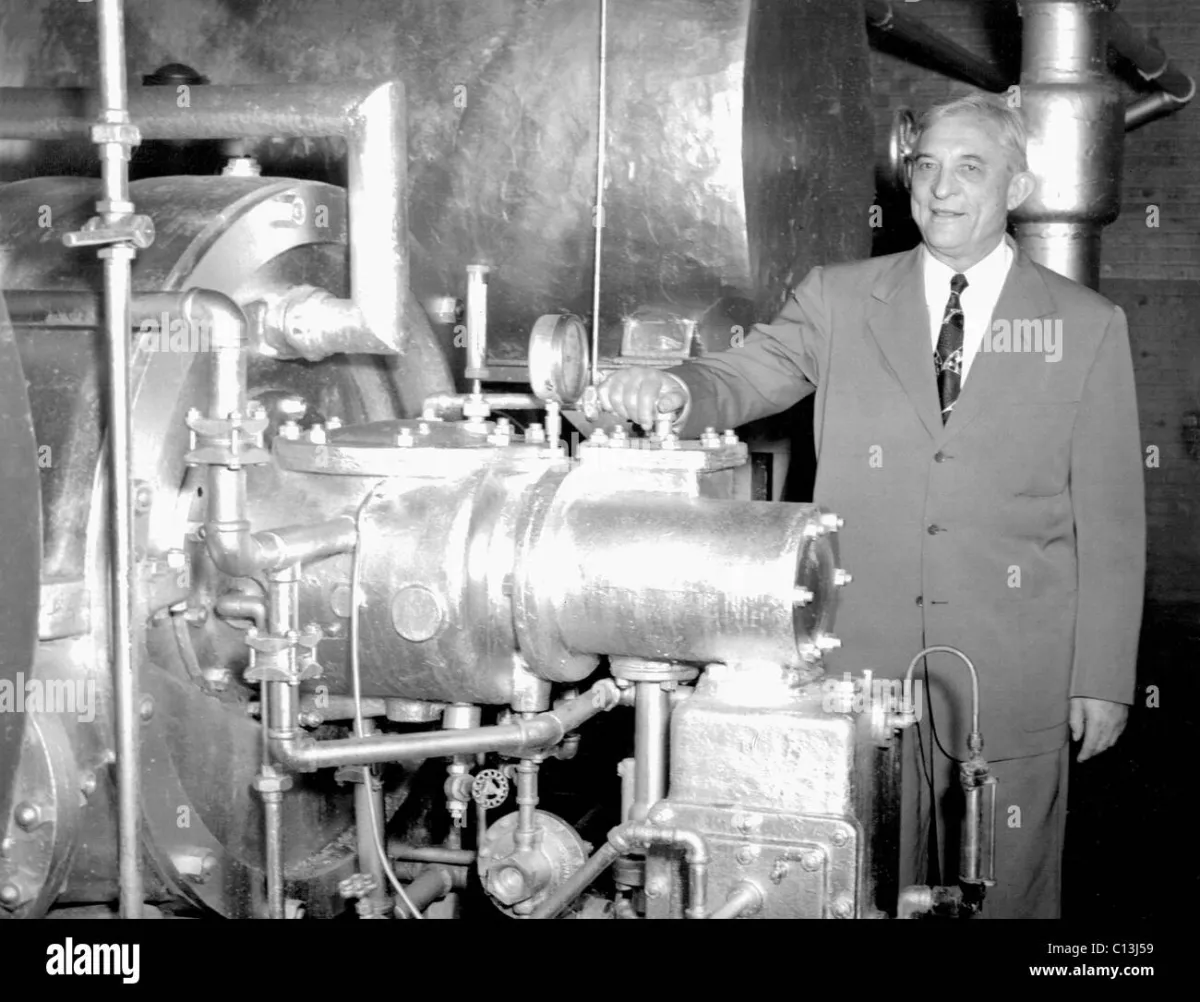 Photo: Willis Carrier, via c8.alamy.com
The Farm Boy Who Thought in Numbers
Carrier grew up on a dairy farm in Angola, New York, where his mother taught him to see patterns in everything. When she died during his freshman year at Cornell, he nearly dropped out. Money was scarce, and engineering seemed like an impractical dream for a farmer's son.
But Carrier had a gift for seeing systems where others saw chaos. At Cornell, while his classmates struggled with thermodynamics, he visualized heat and moisture as living things that could be controlled, redirected, channeled. His professors noticed, but barely—he was quiet, awkward, the kind of student who asked too many questions after class.
The Breakthrough That Nobody Asked For
That sweltering July day in Brooklyn, Carrier didn't set out to invent air conditioning. He was solving a humidity problem. The printing plant needed exactly 55% humidity, no more, no less, or the paper would expand and contract, making it impossible to align the colors properly.
Carrier's solution was elegant in its simplicity: he would cool air by passing it over chilled coils, removing moisture in the process, then reheat it to the desired temperature. He called it "Apparatus for Treating Air"—Patent No. 808,897, filed in 1906.
The printing plant's owners were thrilled. Their magazines came out perfect. But Carrier had accidentally created something far more powerful: the first modern air conditioning system.
Building an Empire Nobody Wanted
For years, nobody cared about Carrier's invention beyond its industrial applications. Textile mills used it to control humidity. Pharmaceutical companies installed it to protect medicines. But the idea of cooling air just to make people comfortable? That seemed like an expensive luxury.
Carrier spent the next decade refining his systems, often working 16-hour days in sweltering workshops, ironically suffering through the very heat his machines could eliminate. He was a perfectionist, constantly tinkering, adjusting, improving. His social life was nonexistent—he was too busy chasing the perfect temperature.
In 1915, he founded the Carrier Engineering Corporation with six other engineers and $35,000 in startup capital. It was a massive gamble. The market for artificial cooling was tiny, and most people thought the whole idea was absurd.
The Movie Theater Revolution
The breakthrough came in 1925 when the Rivoli Theater in New York's Times Square installed Carrier's system. Suddenly, people were flocking to movies not just for entertainment, but for relief from the summer heat. "20 Degrees Cooler Inside," the marquees proclaimed.
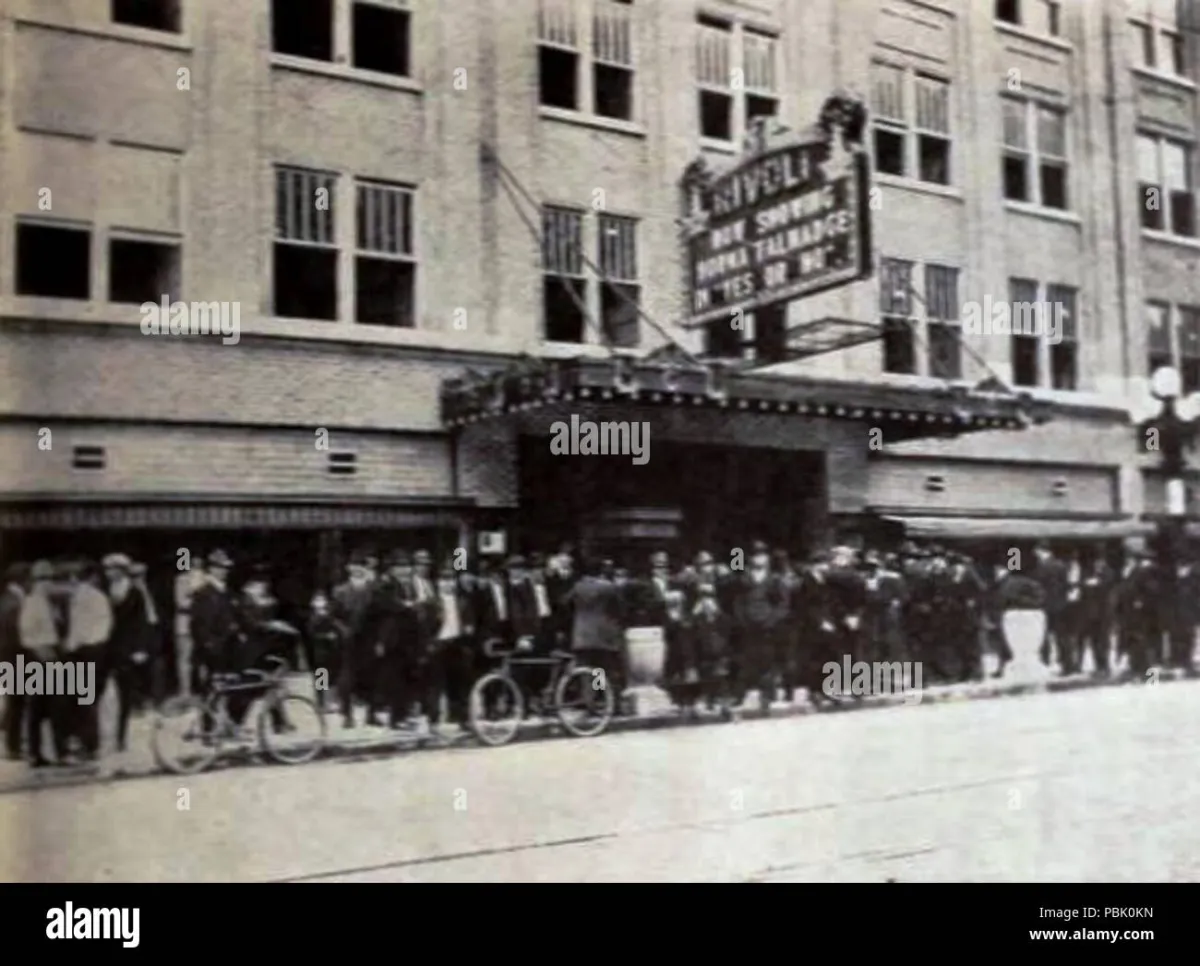 Photo: Rivoli Theater, via c8.alamy.com
Other theaters followed. Department stores. Hotels. Office buildings. What started as an industrial humidity solution had become America's escape from summer.
Carrier watched his invention transform not just buildings, but entire cities. Phoenix, Miami, Houston—places that had been barely habitable in summer—began to boom. The Sun Belt was born, powered by his accidental discovery.
The Unintended Consequences of Comfort
By the 1950s, air conditioning was reshaping American life in ways Carrier never imagined. Families moved south in unprecedented numbers. Shopping malls became the new town squares. Office buildings could be built taller because windows no longer needed to open.
Carrier, now in his seventies, watched this transformation with a mixture of pride and bewilderment. He had solved a printing problem and accidentally given birth to modern America.
The Engineer Who Changed Everything
When Willis Carrier died in 1950, air conditioning was still a luxury for most Americans. Today, it's as essential as electricity. His invention extended human lifespans, made modern medicine possible, and allowed civilization to flourish in places that had been too hot to inhabit.
The man who just wanted to stop ink from smudging had given humanity dominion over climate itself. Sometimes the most world-changing innovations come from the most mundane problems—and the engineers stubborn enough to solve them perfectly.