The Trash Man's Secret Wilderness: How a Sanitation Worker Fooled the Art World Into Believing He Was a Lost Master
The Trash Man's Secret Wilderness: How a Sanitation Worker Fooled the Art World Into Believing He Was a Lost Master
The first thing Margaret Howell noticed was the light.
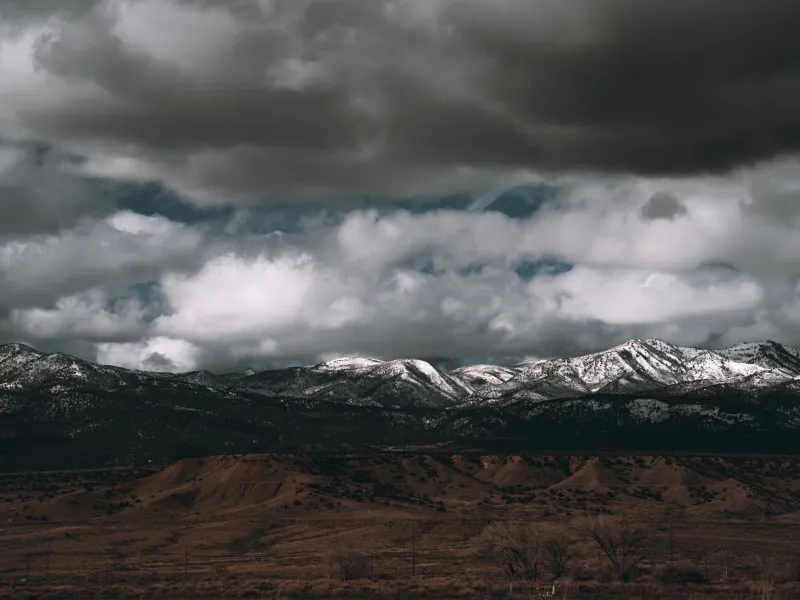
She'd been clearing out a storage unit in Allegheny County, Pennsylvania — the kind of job that usually yielded nothing more exciting than water-damaged furniture and broken appliances — when she pried open a wooden crate and found herself staring at a canvas that stopped her cold. Rolling meadows dissolving into distant blue ridgelines. A sky so dense with storm-cloud drama it practically hummed. The brushwork was loose in places, almost reckless, but the effect was devastating: you felt the wind.
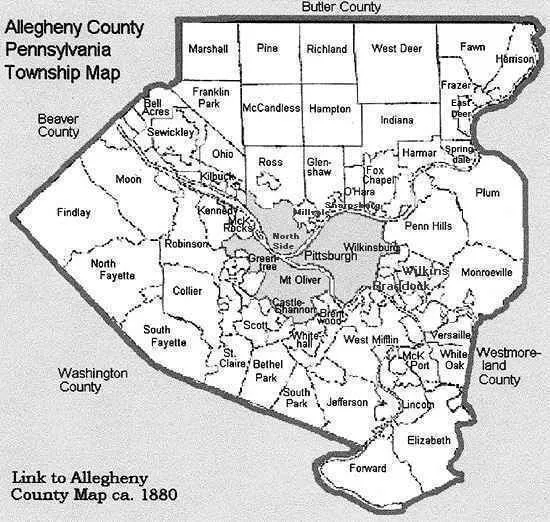 Photo: Allegheny County, Pennsylvania, via www.usgwarchives.net
Howell had run her Pittsburgh gallery for twenty-two years. She knew what she was looking at. Or thought she did.
"My first instinct was Hudson River School," she later told an interviewer. "Late period, maybe. Someone working in the tradition of Thomas Cole or Frederic Church. I genuinely believed we had found something lost."
What she had found was Earl Dobbins. And he wasn't lost at all — he was very much alive, sixty-seven years old, and had been driving a garbage truck for the City of Pittsburgh since 1981.
Before the First Canvas
Earl grew up in Braddock, a steel-mill town east of Pittsburgh that had been quietly hemorrhaging hope since the 1970s. His father worked the furnaces at the Edgar Thomson plant. His mother cleaned offices downtown. Art was not a word that appeared in their vocabulary, at least not in the way that implied a future.
What Earl had, from the time he was a boy, was an almost painful attentiveness to the natural world. He would detour on the way home from school to watch the way afternoon light moved across the Monongahela River. He filled composition notebooks with pencil sketches — trees, hillsides, cloud formations — that his teachers sometimes noticed and then set aside, because there wasn't a clear place for that kind of thing in a curriculum designed to produce steelworkers and secretaries.
 Photo: Monongahela River, via cdn.britannica.com
He never went to art school. He couldn't have afforded it, and the thought probably never seriously occurred to him. Instead, he took the sanitation job at twenty-three because it paid steadily and the hours — early morning routes, done by early afternoon — left him with something precious: the rest of the day.
The Night Shift Nobody Knew About
For the first decade, painting was something Earl did the way other people did crossword puzzles. He bought cheap supplies from a craft store in East Liberty. He taught himself from library books about technique, studying reproductions of painters whose names he could barely pronounce. He painted at a folding table in his kitchen, then later in a converted back bedroom that his wife, Darlene, diplomatically referred to as "Earl's situation."
He never showed anyone. Not really. A few pieces hung in the house. A couple of relatives received canvases as gifts and stored them politely in closets. Earl didn't seem to need an audience. He painted because the act of painting — the problem-solving of it, the way a landscape would resist and then suddenly yield — was its own reward.
What nobody outside his household understood was how serious the work had become. By the 1990s, Earl was reading everything he could find about color theory, atmospheric perspective, the specific challenge of rendering American light — that particular quality of brightness that European techniques never quite captured. He began mixing his own pigments. He drove on weekends to state parks and rural counties across Pennsylvania, West Virginia, and Ohio, filling sketchbooks that he'd later translate into full canvases back in his kitchen studio.
The physical labor of the sanitation routes, paradoxically, seemed to sharpen his eye. "You spend enough mornings watching the sun come up over the same streets," he once said in a rare interview, "you start to really see it."
What the Gallery Owner Found
The storage unit belonged to Earl's late brother-in-law, and the family had asked Margaret Howell to appraise its contents before clearing it out. The crate held eleven canvases, wrapped carefully in brown paper, that Earl had stored there during a house renovation years earlier and simply never retrieved.
Howell's initial assessment — that the paintings might be significant 19th-century works — sent a ripple through Pittsburgh's art community. She had the canvases examined by a conservator, who found nothing to contradict the theory. The pigments were consistent with older formulations. The technique was disciplined in ways that suggested formal training from a different era.
It was only when she began researching provenance that the trail led, improbably, to a retired sanitation worker in Braddock who answered the phone on the second ring and said, yes, those were his, he'd been wondering where they got to.
The story that followed — the gallery show, the museum inquiries, the feature in a national arts magazine under the headline The Accidental Master — made Earl briefly famous in the way that American culture sometimes briefly makes people famous: intensely, then not at all.
What Gets Left Behind
But the paintings remained. Several now hang in the Carnegie Museum of Art. Others are held in private collections. Critics who initially assumed they were looking at historical artifacts have had to recalibrate — not downward, as you might expect, but sideways, into a more interesting question.
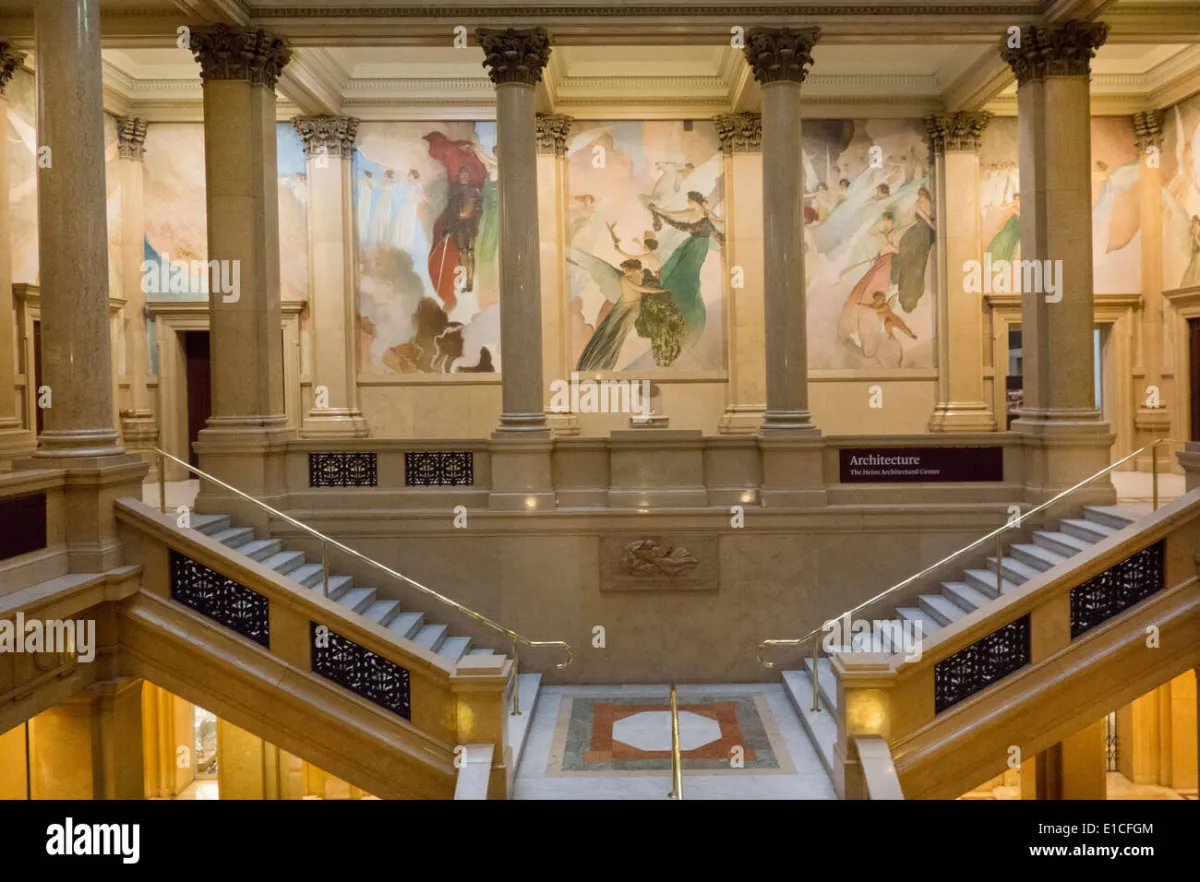 Photo: Carnegie Museum of Art, via c8.alamy.com
The work isn't valuable because it was made by a sanitation worker. It's valuable because it's genuinely extraordinary. The fact that it emerged from thirty years of solitary practice in a converted bedroom in Braddock, without institutional support or critical feedback or any expectation of recognition, is not the explanation for its quality. It's just the context.
What Earl Dobbins's story refuses to let us do is pretend that genius requires the right zip code, the right school, the right connections. It insists — quietly, stubbornly, the way his paintings insist on the reality of American light — that the work is the work, wherever it comes from.
He still paints. The folding table is long gone, replaced by a proper easel in a proper studio that the attention of the last few years has made possible. But he still wakes early, out of habit, and watches the sun come up.
Old habits, it turns out, can make for extraordinary art.