She Had No Entry Form, No Fee, and No Business Being There — So She Ran Anyway
Photo: N/A studio, Public domain, via Wikimedia Commons
The morning was cold and gray, the way October mornings in the Midwest tend to be, and Frances Alton was standing in a crowd of men who had no idea she was there.
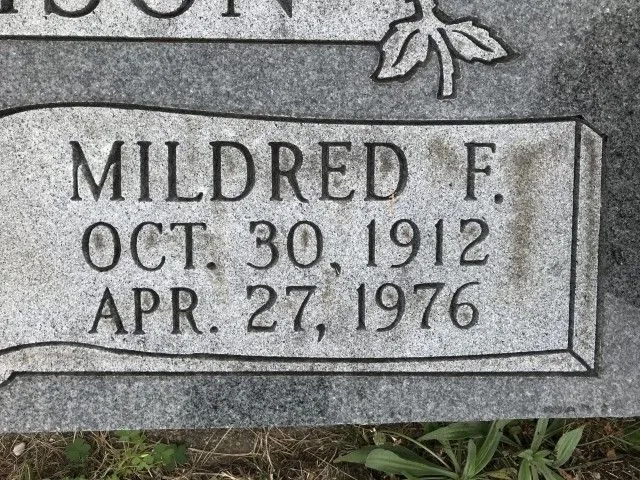 Photo: Frances Alton, via images.findagrave.com
She had pinned her number — borrowed, belonging to a male runner who'd withdrawn the week before — to the front of a gray sweatshirt. She had pulled her hair up under a wool cap. She had borrowed running shoes from her neighbor's husband because her own were too worn down to manage the distance, and she hadn't been able to afford new ones. The entry fee for the race was three dollars. She didn't have three dollars to spare.
She had, however, driven four hours from the small town outside Zanesville, Ohio, where she taught sixth grade, because she had read about this race in a running magazine and decided — with the kind of calm, absolute certainty that tends to precede either disaster or history — that she was going to run it.
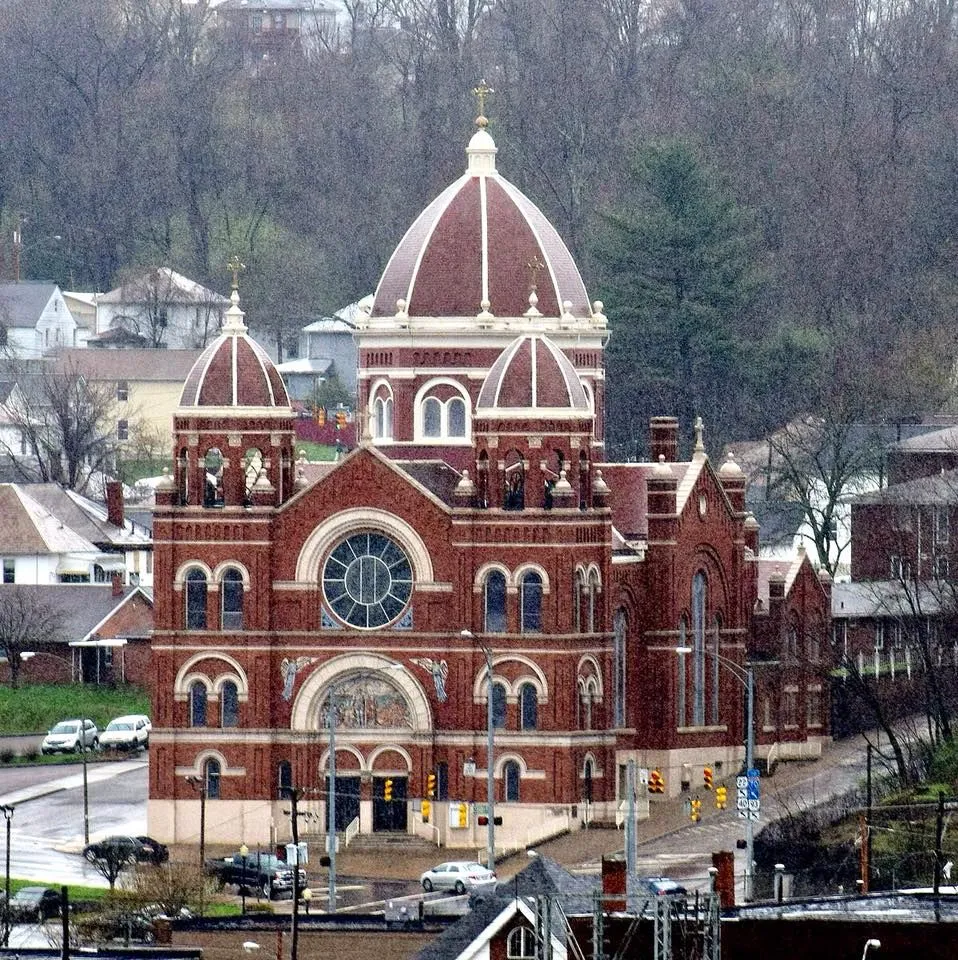 Photo: Zanesville, Ohio, via i.pinimg.com
What Women Were Told
To understand what Frances did, you have to understand what women were being told in the early 1960s about their own bodies.
The medical consensus, such as it was, held that women were physiologically unsuited to long-distance running. The distances involved — anything over a mile or two — were considered dangerous, potentially damaging to female reproductive organs. This was not a fringe view. It was the stated position of the Amateur Athletic Union, which governed track and field in the United States, and it was the reason that women's road races simply didn't exist at the distances men competed.
Women who wanted to run long distances were not just discouraged. They were formally prohibited.
Frances had read those arguments and found them unpersuasive. She had been running since high school — long loops through the fields outside her parents' farm, distances that no one had sanctioned and no one had measured. Her body had not collapsed. She had, in fact, found that the longer the distance, the better she felt.
She wasn't interested in making a political point. She wanted to race.
The Start Line
The race was a well-established road event with a history stretching back decades, the kind of competition that drew serious amateur runners from across the region and carried genuine prestige in the tight-knit world of American distance running.
Frances lined up near the middle of the pack, which numbered close to two hundred men. Nobody looked at her twice. The gun went off.
For the first five miles, she ran cautiously, staying in the crowd, trying not to attract attention. By mile eight, she had stopped worrying about attention and started worrying about the race. She felt strong. She began to move.
By the halfway point, she had passed roughly a third of the field. A few runners near her began to notice. One asked her, not unkindly, if she was lost. She told him she was fine, thanks, and pulled ahead.
She finished in the top half of the field — ahead of more than a hundred men — in a time that would have been competitive in any women's division, had women's divisions existed for this distance.
The race officials noticed her at the finish line. The conversation that followed was not warm.
The Aftermath Nobody Expected
The incident might have ended there — a brief embarrassment, quickly buried. Instead, it leaked. A local sportswriter who'd been covering the race mentioned it in a column, framing it as a curiosity. A wire service picked it up. Within two weeks, Frances Alton, sixth-grade teacher from rural Ohio, was being discussed in letters pages and sports columns across the country.
The response was not uniformly sympathetic. Several prominent voices in amateur athletics used the incident to argue for stricter enforcement of gender restrictions. Race organizers issued a statement reaffirming that women were not permitted to enter.
But something else happened too. The letters that flooded into newspapers and athletic organizations from women across the country — women who ran, who had always run, who had been quietly doing what Frances had done without anyone noticing — were impossible to ignore. The volume was surprising. The anger was real.
Activists who had been pushing for women's inclusion in long-distance events found the story useful. Frances herself became an unlikely figure at organizing meetings, though she insisted, in every interview she gave, that she hadn't been trying to start a movement. She'd been trying to run a race.
"I didn't think I was doing anything brave," she said years later. "I thought I was doing something obvious."
The Long Road to Recognition
The AAU would not formally open long-distance road races to women until 1972. The Boston Marathon, the most famous American road race of all, had its own complicated reckoning with women's inclusion that played out across that same decade. The change, when it came, arrived through a combination of legal pressure, persistent activism, and the accumulated evidence of women who had been proving the medical establishment wrong for years.
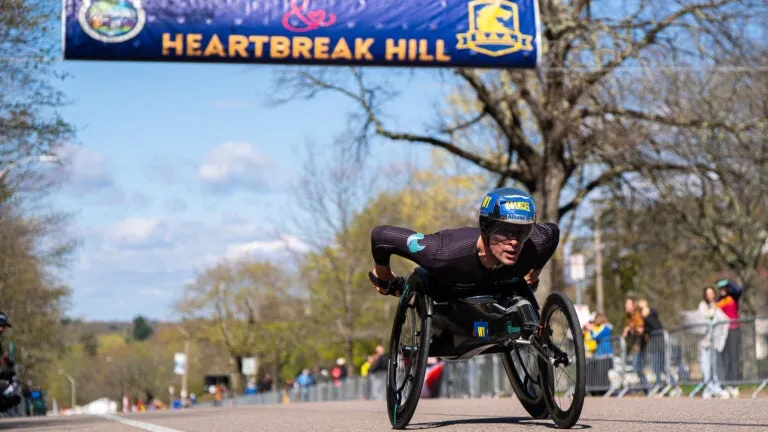 Photo: Boston Marathon, via bdc2020.o0bc.com
Frances Alton is not a household name. She doesn't appear in most histories of women's athletics. The race she entered without permission, with borrowed shoes and a fake entry number, is rarely cited alongside the more famous acts of defiance that reshaped American sport.
But history is full of moments like hers — small, specific, unglamorous acts of refusal that don't announce themselves as historic and aren't recognized as such until much later, if ever.
She just wanted to run. The world she ran through was never quite the same afterward.