The Diplomat's Deadly Game: How Fake Passports Became Lifelines in Nazi Europe
The Consul Who Broke Every Rule
In the winter of 1944, George Mandel-Mantello sat in his office at the El Salvador consulate in Geneva, staring at a stack of blank citizenship certificates. Outside his window, Nazi-occupied Europe stretched for hundreds of miles in every direction. Inside his desk drawer lay the official seal that could transform worthless paper into documents powerful enough to cheat death.
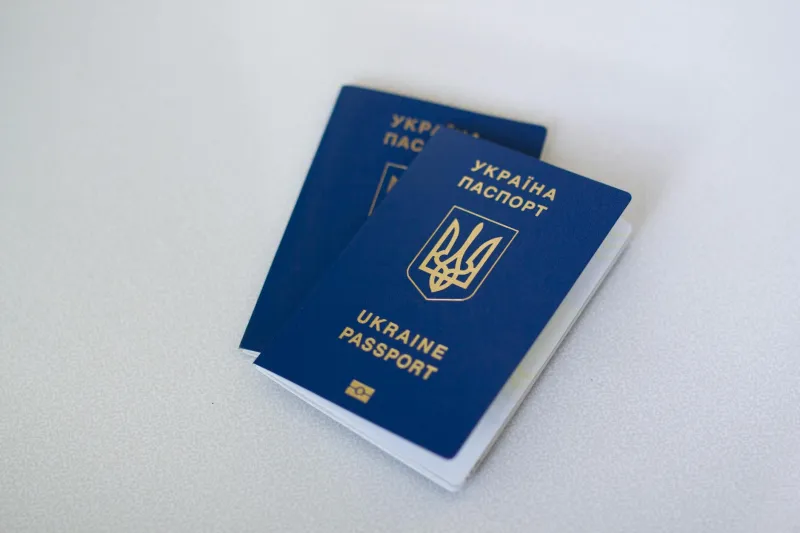
 Photo: El Salvador, via d2cp7y84leain9.cloudfront.net
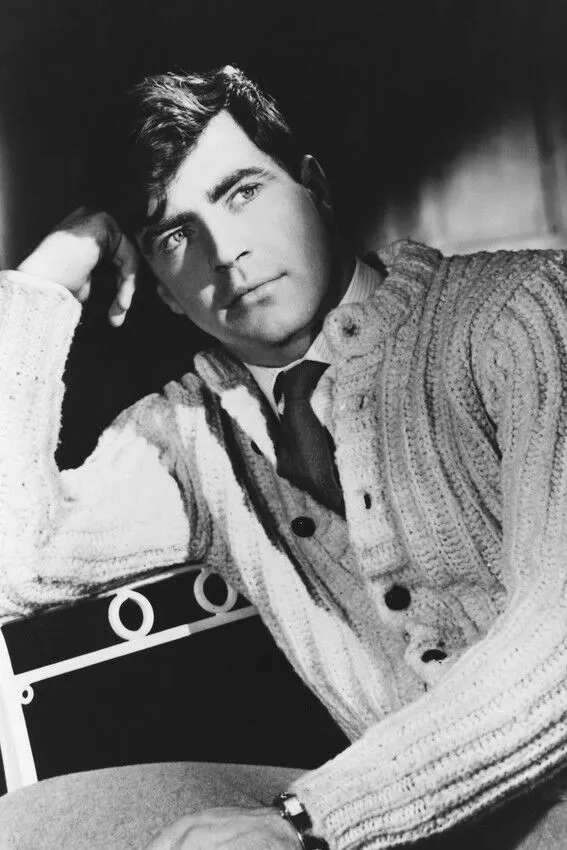
 Photo: George Mandel-Mantello, via st.hzcdn.com
Most diplomats would have locked those papers away. Mandel-Mantello picked up his pen and started forging.
By war's end, this unlikely hero—a Hungarian Jew who had talked his way into representing a Central American country he'd never visited—would manufacture over 13,000 fraudulent citizenship documents. Each forgery violated international law. Each signature saved a life.
An Accidental Ambassador
Mandel-Mantello's path to diplomatic immunity began with desperation, not ambition. Fleeing Nazi persecution in Hungary, he'd arrived in Switzerland with little more than quick wit and fluent Spanish learned during business travels. When El Salvador needed a consul in Geneva, Mandel-Mantello convinced them he was their man.
It was an audacious lie that became an extraordinary truth.
The small Central American nation had no idea they'd just handed official government authority to someone who would use it to wage a one-man war against the Third Reich. Mandel-Mantello understood something that eluded larger, more powerful nations: sometimes the most effective resistance comes from the most unexpected places.
The Paper Trail to Freedom
The scheme was breathtakingly simple. Salvadoran citizenship papers, even fake ones, carried enough diplomatic weight to pause Nazi deportation orders. While SS officers debated the legitimacy of documents from a country most had never heard of, Jewish families gained precious time to escape or hide.
Mandel-Mantello worked with a network of couriers who smuggled the forged papers into ghettos across occupied Europe. A businessman in Budapest would receive Salvadoran citizenship. A family in Prague would suddenly become Central American nationals. A rabbi in Poland would discover diplomatic protection he'd never requested.
The Nazis, obsessed with bureaucratic procedure, found themselves trapped by their own system. Questioning the papers meant questioning El Salvador's sovereignty. Accepting them meant acknowledging Jewish people as foreign nationals deserving protection.
Racing Against Time
As 1944 progressed and deportations accelerated, Mandel-Mantello's operation became a factory of hope. He forged signatures until his hand cramped. He backdated documents to create false histories. He invented entire family trees to protect children whose parents had already vanished.
Every morning brought new requests. Every evening brought reports of trains leaving for concentration camps. The mathematics were brutal: for every hundred documents he could forge, thousands more people needed saving.
But Mandel-Mantello had discovered something remarkable about bureaucracy—it could be weaponized by anyone brave enough to master its language. While diplomats debated and governments hesitated, one man with an official stamp was rewriting the rules of survival.
The Invisible Rescue
What makes Mandel-Mantello's story even more extraordinary is how completely it disappeared after the war. Unlike other Holocaust rescuers who received international recognition, his illegal methods made him an embarrassing hero. Governments couldn't celebrate someone who had flagrantly violated international law, even for the most noble reasons.
El Salvador, discovering the full extent of what had been done in their name, quietly distanced themselves from their rogue consul. The Jewish families he'd saved often had no idea who had manufactured their salvation. For decades, one of the Holocaust's most effective rescue operations remained hidden in diplomatic archives.
The Forger's Legacy
Mandel-Mantello's story reveals an uncomfortable truth about heroism: sometimes saving lives requires breaking laws. While the world's most powerful nations struggled to respond to genocide through proper diplomatic channels, one man with a rubber stamp and unlimited audacity achieved what entire governments could not.
His forged documents saved an estimated 13,000 lives—more than most organized rescue operations. Yet his methods were so far outside conventional heroism that his story remained buried for generations.
Today, as we celebrate the righteous among the nations, Mandel-Mantello reminds us that moral courage often appears in the most unlikely forms. Sometimes the greatest heroes are those willing to become criminals in service of humanity.
In a world that demanded impossible choices, George Mandel-Mantello chose to forge documents instead of following orders. History suggests he chose correctly.