The Woman With a Limp Who Made America Look at Itself
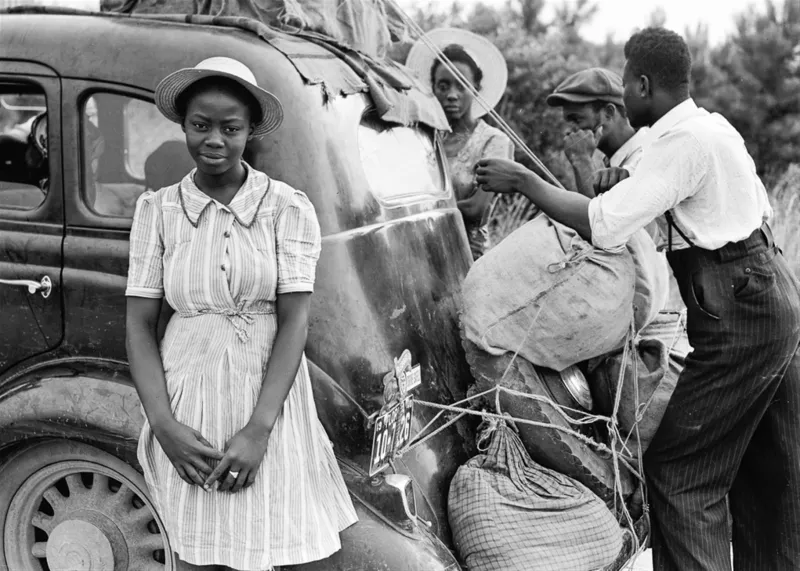
She walked with a limp her whole life. Polio had taken something from her right leg when she was seven years old, and the world — as it tends to do — made sure she never forgot it. Kids are cruel. Adults are sometimes worse. The message Dorothea Lange absorbed early was simple and familiar: you are not quite right. You are not quite enough.
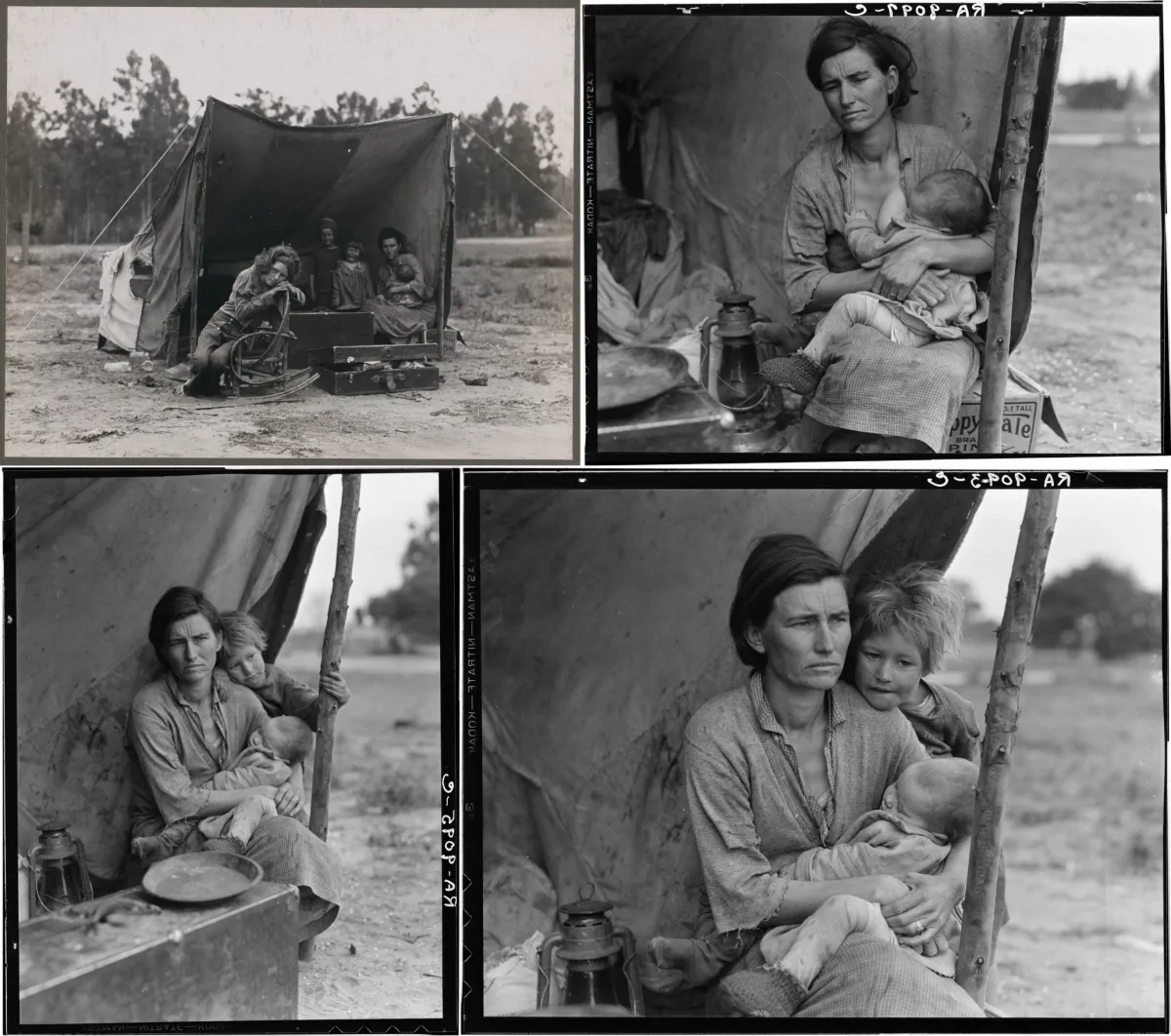 Photo: Dorothea Lange, via smarthistory.org
She spent the rest of her life proving that wrong. Not loudly. Not with manifestos or speeches. She did it one photograph at a time, until the images she made were so powerful that the United States government had no choice but to respond to them.
A Childhood That Taught Her to Watch
Dorothea Lange was born in Hoboken, New Jersey, in 1895. Her father left when she was twelve. Her mother worked. She spent long stretches of time alone, navigating the streets of New York City — a kid with a noticeable limp and a habit of watching people that most adults found unsettling in a child.
She had no camera. She had no formal training. What she had was the particular attentiveness that comes from being someone the world looks past. When you're not the center of the room, you learn to read rooms. When you're not the one being watched, you learn to watch.
She decided, at some point during her teenage years, that she wanted to be a photographer — despite having never touched one. She talked her way into apprenticeships with portrait studios in New York, learning the technical craft from the ground up, and eventually made her way west to San Francisco in 1918 with a traveling companion, a small amount of money, and no particular plan.
She was robbed almost immediately upon arrival. Which meant she had to stay.
The Comfortable Life She Walked Away From
By the late 1920s, Lange had built a genuinely successful portrait studio in San Francisco. She photographed the city's wealthy families — the kind of clients who paid well, dressed beautifully, and made running a small business feel sustainable. She married a painter named Maynard Dixon, had two sons, and occupied a life that looked, from the outside, like stability.
Then the Depression arrived, and the streets outside her studio filled with people who had nothing.
She couldn't ignore them. She walked out of her studio one day with her camera and started photographing what she saw — the breadlines, the men with hollow expressions standing on corners, the quiet devastation of ordinary people whose ordinary lives had simply collapsed. She wasn't commissioned to do this. Nobody was paying her. She just couldn't stop herself.
A photograph she took of an unemployed lumber worker in 1934 — White Angel Breadline — circulated widely and caught the attention of people who were beginning to think seriously about how to document the human cost of economic catastrophe.
She had found the work she was meant to do. It paid almost nothing, which was a problem she was used to by now.
Migrant Mother and the Image That Moved Policy
In 1935, Lange began working for the federal Resettlement Administration — later the Farm Security Administration — an agency tasked with documenting the conditions facing rural Americans displaced by drought, dust, and economic collapse. She drove through California, Arizona, and the Deep South with her camera, photographing migrant workers, displaced farm families, and the particular kind of exhaustion that comes from losing everything.
In March of 1936, she was driving home after a long field assignment when she passed a sign for a pea-pickers' camp outside Nipomo, California. She had been on the road for a month. She was tired. She kept driving.
She drove about twenty miles. Then she turned around.
What she found was Florence Owens Thompson, a 32-year-old mother of seven, sitting in a lean-to tent with her children pressed against her. The pea crop had frozen. There was no work. Thompson had reportedly sold the tires off her car to buy food. She had nothing and nowhere to go.
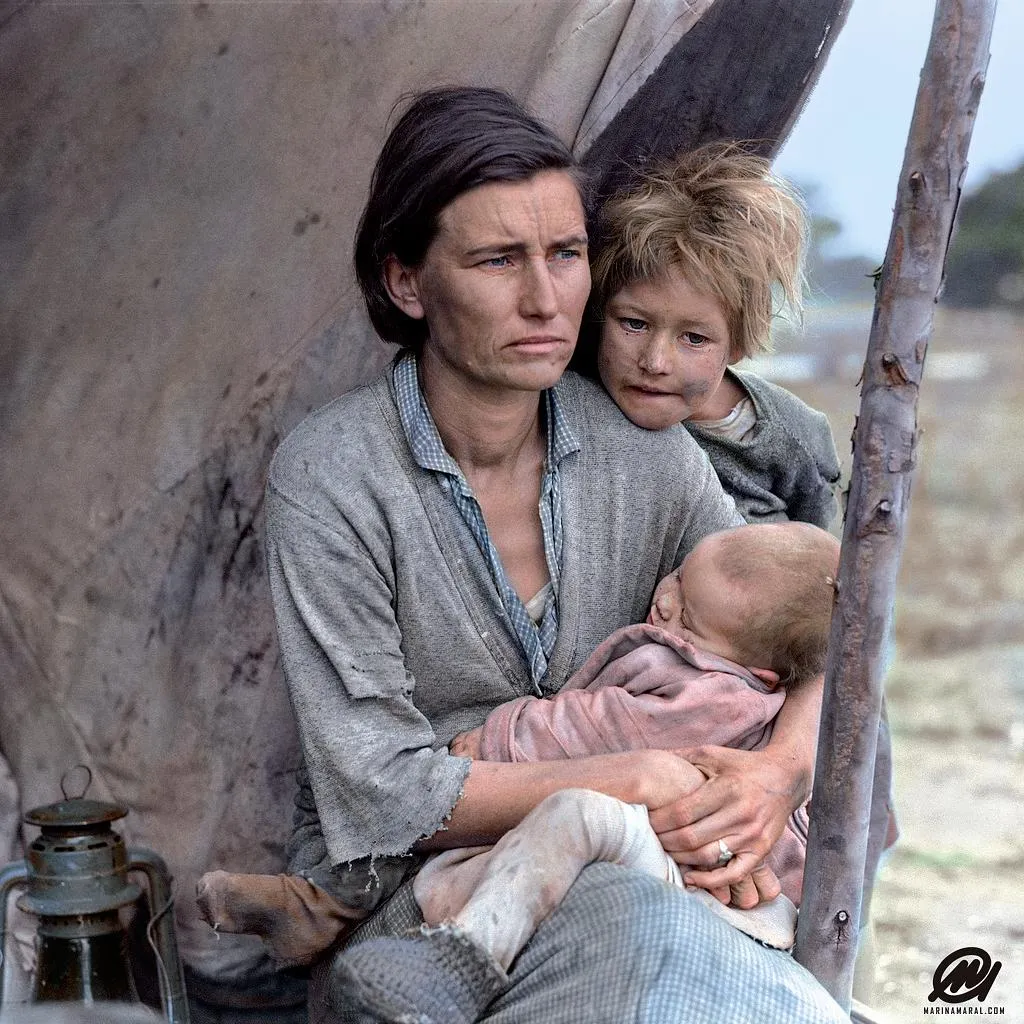 Photo: Florence Owens Thompson, via i.redd.it
Lange took six photographs in roughly ten minutes. She did not get Thompson's name.
The image that became known as Migrant Mother — Thompson's face weathered and direct, her children turned away from the camera, her hand raised to her cheek in a gesture of exhausted endurance — was published in a San Francisco newspaper within days. The public response was immediate. The federal government shipped 20,000 pounds of food to the Nipomo camp within a week.
One photograph. Ten minutes. Federal action.
The Limits of the Frame
Lange's story is not without its shadows, and telling it honestly requires acknowledging them. In 1942, she was hired by the War Relocation Authority to document the forced internment of Japanese Americans — an assignment she accepted, though her photographs were ultimately suppressed by the Army because they were too sympathetic to the people being imprisoned. She documented an injustice that she was, in a sense, participating in by working for the agency enforcing it. The images were finally released decades later, and they are as damning as anything she ever made.
Her personal life was complicated. Her marriage to Dixon ended. She married economist Paul Taylor, who shared her commitment to social documentation, and the partnership was more sustaining — but her sons spent significant time in foster care during her most intense work periods, a fact she acknowledged with guilt in later years.
She was not a saint. She was a person trying to do important work inside an imperfect life, which is the condition most people who do important work find themselves in.
What the Limp Was Really About
Lange spoke about her polio-damaged leg more directly in her later years. She said it taught her things that couldn't have been learned any other way — how to be inconspicuous, how to approach strangers without threatening them, how to exist in spaces where she was overlooked. Her limp, she suggested, made her a better photographer. It put her at a human level that a more physically imposing or conventionally authoritative person might have struggled to reach.
The people she photographed were not afraid of her. They looked at her and saw someone who understood, at some cellular level, what it felt like to be underestimated.
She was right that they saw something. What they couldn't have known was that the woman behind the camera was about to make sure the rest of the country saw them back.
Dorothea Lange died in 1965, just months before a major retrospective of her work opened at the Museum of Modern Art in New York. She didn't quite make it to the room where her photographs were finally hung in the place they deserved.
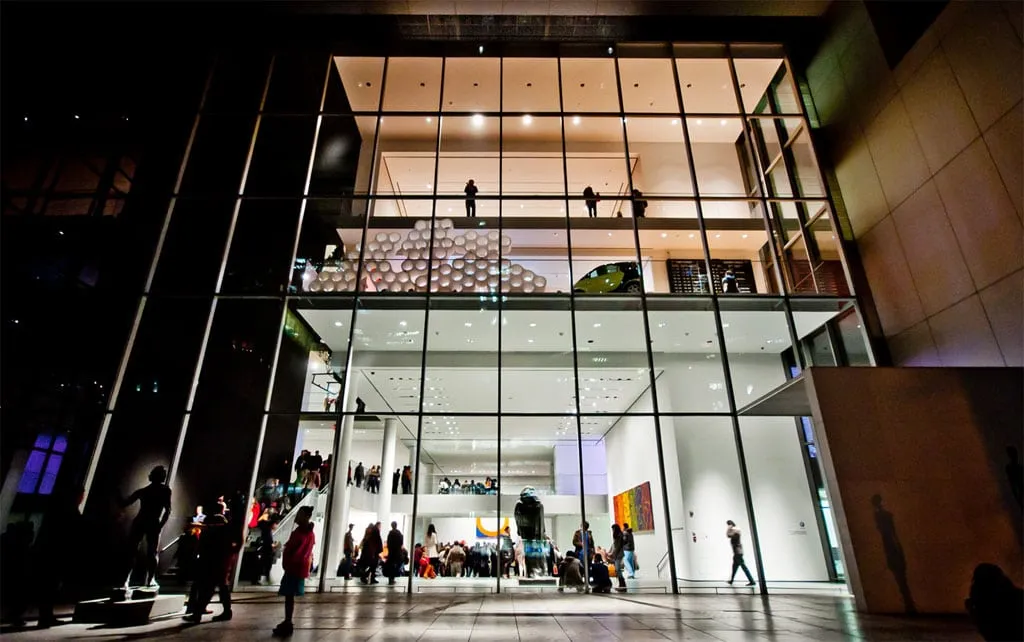 Photo: Museum of Modern Art, via www.inexhibit.com
But the photographs made it. They're still there.