The Fisherman Who Taught the Sky to Speak
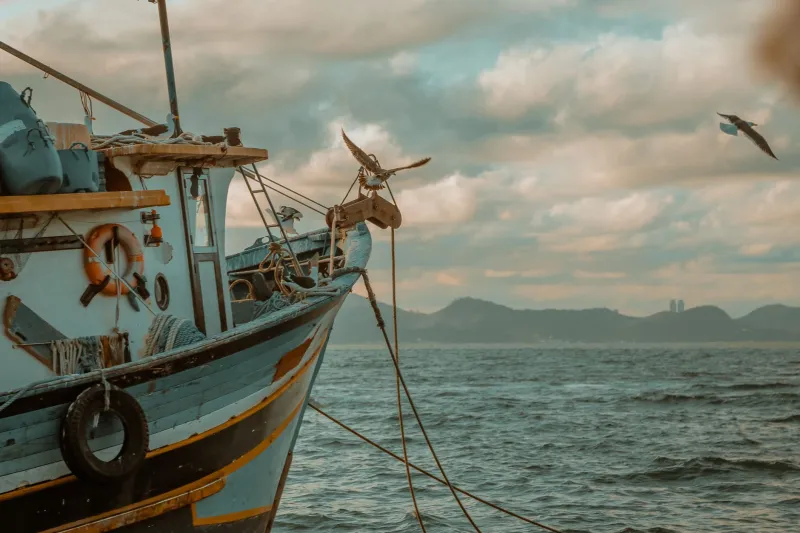
There is a particular shade of green that the Atlantic turns before a nor'easter arrives. Not the blue-gray of ordinary chop, not the deep ink of open water on a clear day — something murkier, almost sickly, like the ocean is holding its breath. Most people never notice it. William Blasius noticed everything.
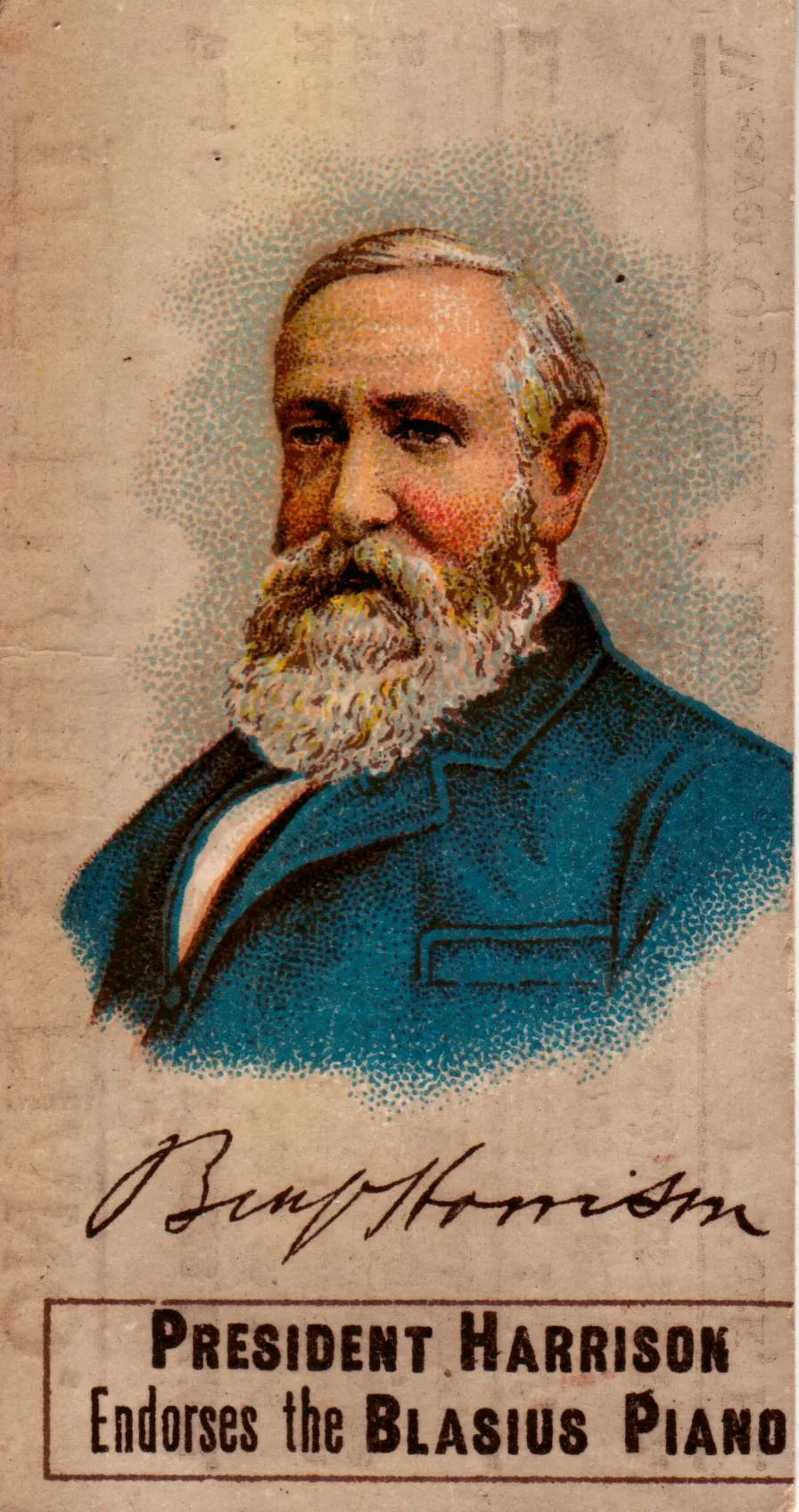 Photo: William Blasius, via www.namm.org
For most of the early twentieth century, Blasius worked the waters off the coast of Maine and Massachusetts aboard a succession of wooden trawlers, hauling cod and haddock the way his father had, and his father's father before that. He had no formal schooling beyond the eighth grade. He had never seen the inside of a university. What he had, in extraordinary abundance, was time on the water — and an almost compulsive need to understand why it behaved the way it did.
A Different Kind of Education
The fishermen of coastal New England lived and died by the weather in a way that landlocked Americans could barely imagine. A sudden storm in the Gulf of Maine could swallow a boat whole. Getting caught twenty miles offshore when the barometer dropped was not a metaphor for professional risk — it was an actual death sentence. So every serious fisherman developed a working knowledge of the sky. What made Blasius different was that he went further than survival required.
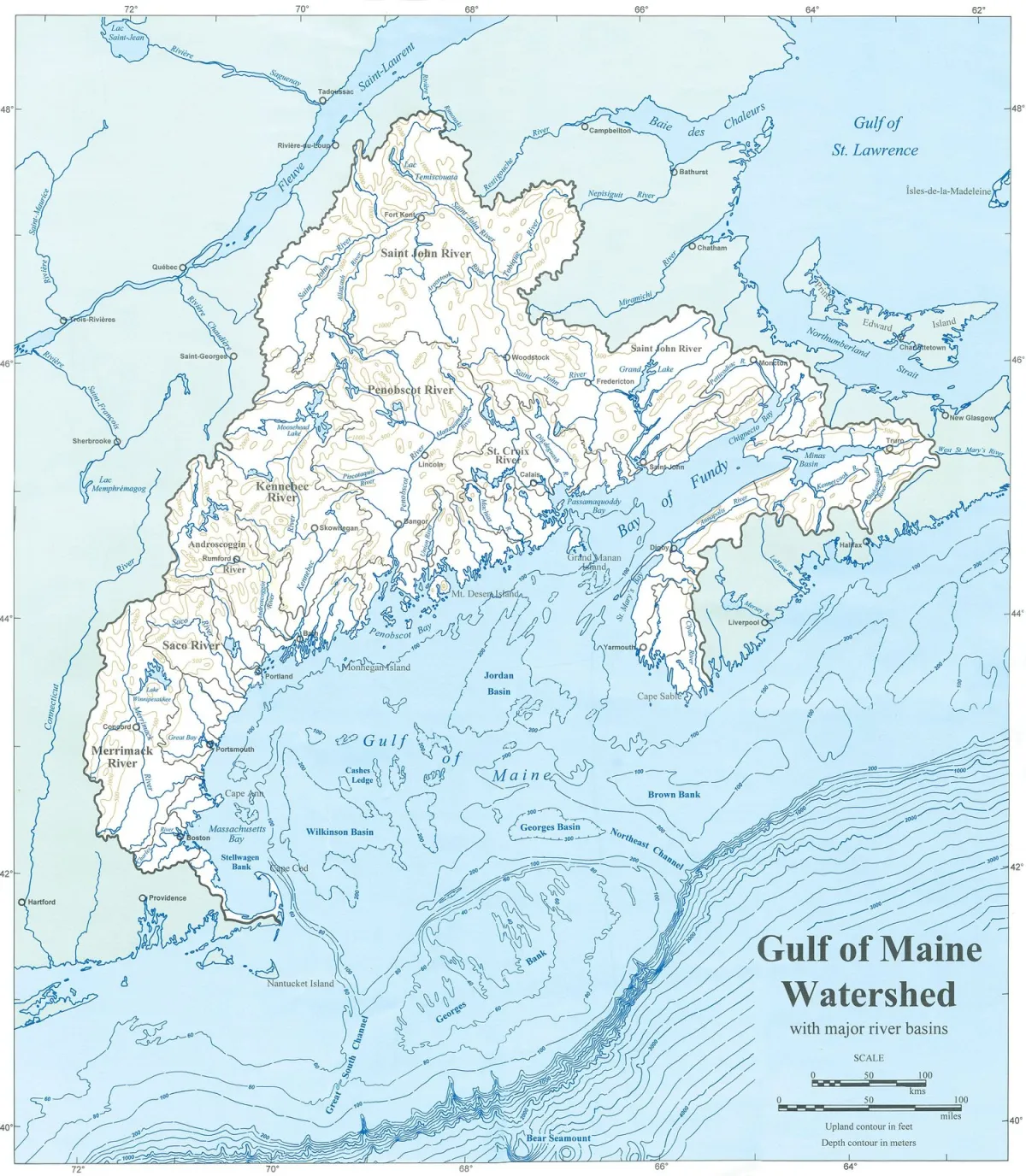 Photo: Gulf of Maine, via images.squarespace-cdn.com
From his teenage years, he kept a journal. Not a diary in the sentimental sense, but a running log of atmospheric conditions — cloud formations, wind direction shifts, the color and texture of the water surface, the behavior of seabirds, the smell of the air at different tidal stages. He catalogued hundreds of variables across thousands of entries, cross-referencing them obsessively against what the weather actually did in the days that followed. By the time he was in his thirties, he had built something that no meteorology department in the country possessed: a decades-long empirical record of cause and effect, assembled not from instruments but from direct, unmediated observation.
His neighbors noticed. Fishermen who timed their trips around his predictions came home with full holds. Those who ignored him sometimes didn't come home at all.
The Navy Comes Calling
Word of Blasius's accuracy traveled in the quiet way that useful things travel in small coastal communities — through harbormasters and chandlers, through the informal networks of men who depended on the sea for their livelihoods. Sometime in the mid-1920s, that word reached a naval attaché stationed in Boston who had been tasked with improving storm-warning protocols for vessels operating along the northeastern seaboard.
The meeting between the attaché and Blasius — a sun-darkened fisherman in rubber boots sitting across a government desk from a uniformed officer — must have been something to witness. What came out of it was a quiet, informal arrangement that would last for the better part of thirty years. The Navy sent Blasius a modest stipend. In return, he provided regular assessments of developing weather systems, particularly in the critical window between forty-eight and ninety-six hours out, where formal forecasting of the era was notoriously unreliable.
The arrangement was never publicized. Blasius himself rarely spoke of it. But the naval records that have since surfaced — through the work of a handful of maritime historians in the 1980s — confirm the payments and, more tellingly, confirm that his predictions were routed directly to fleet commanders planning operations along the coast.
What Instruments Couldn't See
The formal meteorologists of Blasius's era were not incompetent. They were working with the best tools available to them — barometers, anemometers, telegraph reports from weather stations scattered across the region. What they lacked was the kind of integrated, holistic reading of a system that only comes from spending your entire life inside it.
Blasius had learned, for instance, that certain combinations of swell interval and wind shift that preceded storms by nearly four days produced a distinctive pattern in the way foam collected at the waterline of his hull. He had learned that a particular sequence of bird behavior — specific species moving in specific directions at specific hours — reliably preceded pressure changes that instruments wouldn't register for another eighteen hours. These were not mystical insights. They were the product of rigorous, sustained observation. They were, in the most literal sense, data — just data that no university had thought to collect.
When early National Weather Service officials began formalizing storm-prediction protocols in the 1930s and 1940s, several of them made quiet visits to the Maine coast. The extent to which Blasius's observational frameworks influenced those protocols is difficult to document precisely, but the circumstantial evidence is suggestive. Certain diagnostic indicators that appear in early NWS training materials — particularly around the integration of sea-state observation with atmospheric data — bear a striking resemblance to the methods Blasius had been teaching to younger fishermen for decades.
The Weight of Being Unofficial
Blasius died in 1961 at the age of seventy-eight, still living in the same coastal town where he had been born. He left behind his journals — all forty-three of them — which his daughter donated to a small maritime museum in Rockland, Maine, where they sat largely unread for two decades before a graduate student stumbled across them in 1983 and realized what she was looking at.
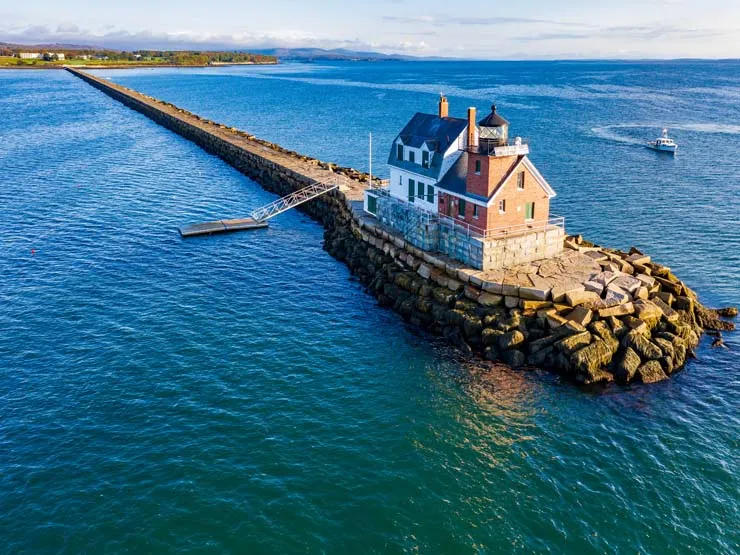 Photo: Rockland, Maine, via tm2maine.com
The tension at the heart of Blasius's story is one that repeats throughout the history of American innovation: the gap between what institutions recognize and what actually works. Formal meteorology had the credentials, the equipment, the professional standing. Blasius had something harder to quantify — a lifetime of unbroken attention, an intimacy with a system so deep that he could feel its moods before its instruments could measure them.
The Navy understood this, even if it couldn't say so publicly. It paid him anyway, in the pragmatic, unsentimental way that organizations pay for things that work regardless of whether they fit the official theory.
The sea was his laboratory. He just never got to put that on a business card.