The Greatest Surgeon Nobody Knew Was a Woman
The Doctor Who Fooled an Empire
Dr. James Miranda Stuart Barry stood barely five feet tall, spoke in a high-pitched voice, and had a temper that could clear a room. Fellow officers whispered that the young surgeon was effeminate, possibly homosexual, definitely strange. What they never suspected was far more extraordinary: for over four decades, one of the British Army's most accomplished surgeons was living as a man in a world that would have destroyed her career—and possibly her life—if her true identity had been discovered.
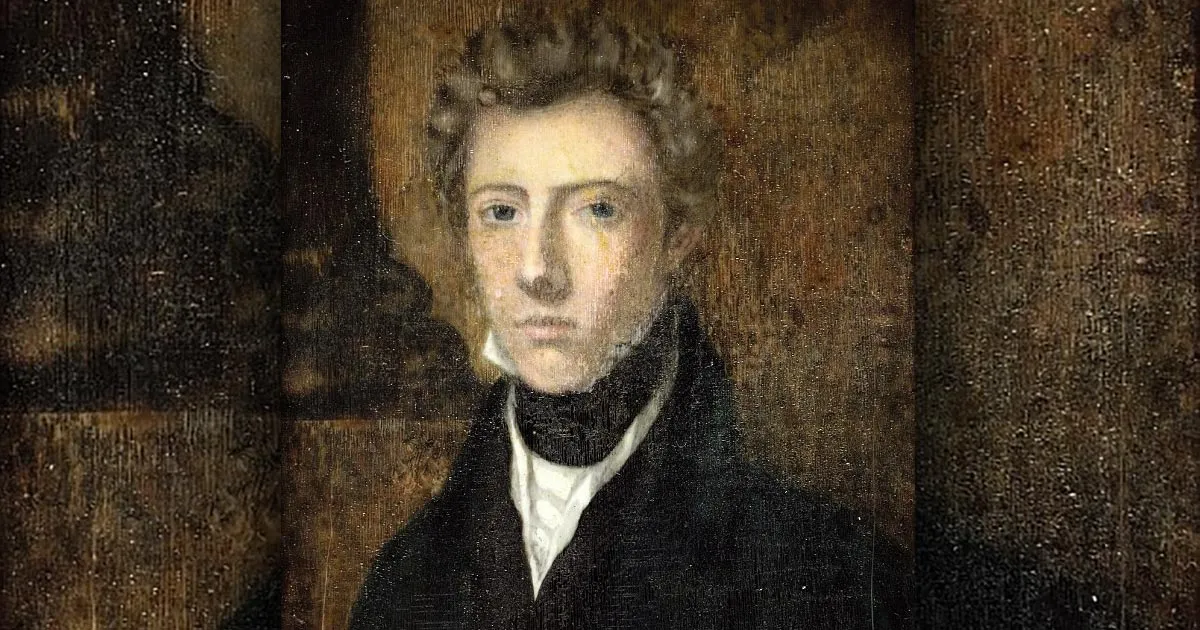 Photo: Dr. James Miranda Stuart Barry, via www.mambaonline.com
The secret died with Barry in 1865. It was only when a charwoman came to prepare the body for burial that the truth emerged, shocking the Victorian establishment and rewriting medical history.
The Impossible Dream
In early 19th-century Britain, women couldn't attend university, practice medicine, or even own property in their own names. For someone born Margaret Ann Bulkley around 1789, becoming a doctor was literally impossible—unless she stopped being Margaret Ann Bulkley entirely.
The transformation began when Margaret was barely a teenager. With the help of progressive family friends who believed in her intellectual abilities, she assumed the identity of James Barry, supposedly a distant male relative. The deception had to be perfect: not just a change of clothes, but a complete reconstruction of identity, voice, mannerisms, and social presence.
At age 14, "James Barry" enrolled at Edinburgh University to study medicine. The boy who walked through those university doors was really a girl who had decided that living as someone else was preferable to not living her dreams at all.
 Photo: Edinburgh University, via c8.alamy.com
Medical School and the Art of Survival
Barry's years at Edinburgh required constant vigilance. Medical education involved anatomy lessons, dissections, and communal living arrangements that could have exposed her secret at any moment. She developed a reputation as a brilliant but difficult student—argumentative, standoffish, and quick to take offense.
This wasn't just personality; it was survival strategy. By keeping classmates at arm's length and cultivating a reputation for being quarrelsome, Barry created the social distance necessary to maintain her disguise. Her academic brilliance spoke for itself—she graduated with honors and immediately set her sights on the British Army Medical Corps.
Joining the military might seem like the riskiest possible choice for someone living with such a secret. But Barry understood something crucial: army life, with its emphasis on hierarchy and formal relationships, could actually provide more anonymity than civilian practice.
Revolutionary Medicine in Disguise
Barry's military career took her across the British Empire—from South Africa to the Caribbean, from Malta to Canada. Everywhere she served, she left behind revolutionized medical practices and improved public health systems. But her methods were as unconventional as her identity.
In 1826, while stationed in Cape Town, Barry performed one of the first successful Caesarean sections in medical history, saving both mother and child. The operation was so unusual that it became legendary throughout the colony. What made it even more remarkable was Barry's insistence on post-operative care that defied conventional wisdom—she demanded clean facilities, proper nutrition, and extended recovery time for patients.
 Photo: Cape Town, via i.pinimg.com
This wasn't just good medicine; it was revolutionary thinking. Barry consistently advocated for sanitation, proper diet, and humane treatment of patients at a time when military medicine was notoriously brutal and ineffective. Her mortality rates were dramatically lower than those of her colleagues, but her methods were so different from established practice that they were often dismissed as eccentric.
Fighting More Than Disease
Barry's career was marked by constant conflict with superior officers who resented her unconventional methods and abrasive personality. She was court-martialed multiple times, censured for insubordination, and nearly dismissed from service on several occasions. But her medical results were too impressive to ignore.
What her colleagues interpreted as arrogance was often frustration born of knowledge they couldn't access. Barry had studied anatomy and physiology with a thoroughness that her male peers often lacked. She understood infection control, nutrition, and patient psychology in ways that challenged everything the military medical establishment believed.
Her fights weren't just about medical practice—they were about life and death. When Barry advocated for better conditions for soldiers, prisoners, and civilians, she was literally fighting for people who had no other voice.
The Secret That Shaped a Career
Living as James Barry required more than just wearing men's clothing. Barry had to master masculine social codes, develop credible backstories for every aspect of her supposed male life, and maintain emotional distance from colleagues who might become too curious about her personal history.
She never married, claimed no close family relationships, and cultivated an image as a confirmed bachelor devoted entirely to medicine. When pressed about her high voice and slight build, she claimed to be a "gentleman of weak constitution" and used her medical authority to deflect further questions.
The isolation was profound. Barry could never fully trust anyone, never completely relax her guard, never share the burden of maintaining such an elaborate deception. Yet this same isolation may have freed her to focus entirely on medical innovation without the social constraints that limited other doctors of her era.
Legacy Beyond Gender
When Barry's secret was discovered after her death, the Victorian establishment's first instinct was to suppress the story entirely. The British Army sealed her records, and newspapers were discouraged from reporting the truth. The idea that their most accomplished military surgeon had been a woman was simply too threatening to accepted social order.
But Barry's medical innovations couldn't be erased. Her approaches to surgery, sanitation, and patient care had already influenced a generation of military doctors. The techniques she pioneered saved thousands of lives and laid groundwork for modern military medicine.
Today, Barry is recognized as both a medical pioneer and an early example of someone who refused to let social constraints limit their potential. Her story raises complex questions about gender, identity, and the prices people pay to pursue their calling.
The Doctor Who Changed Everything
James Barry's four-decade deception wasn't just about one person's determination to practice medicine. It was proof that talent, knowledge, and dedication have no gender—and that some of history's greatest advances came from people who had to hide who they were to do what they loved.
The woman who lived as a man to heal others reminds us that progress often comes from the most unexpected places. Sometimes the most radical thing you can do isn't changing the world—it's simply refusing to let the world stop you from being who you're meant to be.
Barry's scalpel saved lives across the British Empire, but her greatest surgery may have been the one she performed on herself: cutting away the limitations others tried to impose and creating space for genius to flourish, regardless of the body it happened to inhabit.