The Medical School Dropout Who Revolutionized America's Health
The Medical School Dropout Who Revolutionized America's Health
In the spring of 1893, a 26-year-old woman named Lillian Wald stood in the hallway of the New York Hospital School of Nursing, holding a letter that would change her life—and eventually, the lives of millions of Americans. She'd been asked to leave the program. Her instructors were polite but firm: she lacked the "proper temperament" for nursing. What they meant was that she asked too many questions, challenged too many procedures, and seemed more interested in why people got sick than in simply treating their symptoms.
Wald walked out of that hospital believing she was a failure. She had no way of knowing that her dismissal from nursing school would lead her to create one of the most revolutionary public health movements in American history.
The Accidental Calling
Most people would have returned home to Rochester, New York, to lick their wounds. Wald, however, was not most people. The daughter of comfortable middle-class parents, she could have easily settled into the life expected of unmarried women of her generation—charitable work, perhaps, or teaching piano to neighborhood children.
Instead, she made a decision that baffled her family and friends: she moved to New York's Lower East Side, the most desperate, disease-ridden neighborhood in America. Her plan, such as it was, involved teaching basic health classes to immigrant women. She had no medical credentials, no institutional backing, and no idea what she was walking into.
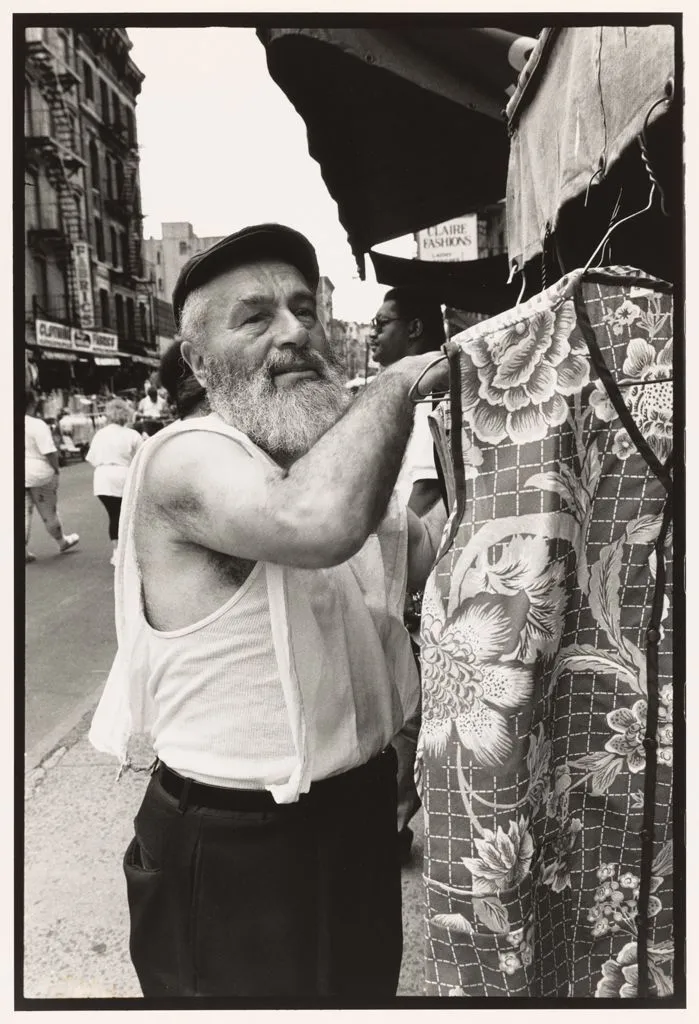 Photo: New York's Lower East Side, via d34wccushva2ab.cloudfront.net
What she found was a revelation that would reshape her understanding of medicine, poverty, and the role of government in American life.
The Moment Everything Changed
The turning point came on a sweltering July morning in 1893. Wald was conducting one of her makeshift health classes when a young girl burst through the door, speaking rapid-fire Italian and gesturing frantically. Through broken English and desperate pantomime, the child made it clear: her mother was dying, and no one would help.
Wald followed the girl through a maze of tenement hallways to a airless room where a woman lay hemorrhaging after childbirth. The local doctor had refused to return because the family couldn't pay his fee. The nearest hospital wouldn't admit charity cases. The woman was, in the cold calculus of 1890s medicine, expendable.
But not to Lillian Wald. Despite her lack of formal credentials, she had learned enough during her truncated nursing education to stop the bleeding and stabilize the patient. More importantly, she had learned something that no medical textbook taught: this woman's condition wasn't just a medical problem—it was a social and economic problem that medicine alone couldn't solve.
Building a Movement from Nothing
That night, Wald made a decision that would define the rest of her career. Instead of trying to fix individual cases, she would attack the system that created them. But first, she needed allies, resources, and a plan.
What she didn't need, it turned out, was a medical degree. Her failure to complete nursing school had freed her from the rigid thinking that constrained her formally trained colleagues. While doctors focused on treating diseases, Wald began thinking about preventing them. While hospitals waited for patients to come to them, she went to the patients.
Working with Mary Brewster, another nursing school refugee, Wald established the Nurses' Settlement in 1895. The concept was revolutionary: instead of waiting for sick people to seek help, trained nurses would go directly into tenements, teaching families about hygiene, nutrition, and basic medical care while providing treatment for those who needed it.
The Dropout's Master Class in Politics
Wald quickly discovered that providing medical care was only part of the solution. The real enemies of public health were poverty, overcrowding, and government indifference. So the woman who'd been deemed unfit for nursing school began schooling politicians about their responsibilities to public health.
She documented everything: the children who died from preventable diseases, the families bankrupted by medical expenses, the workers disabled by unsafe conditions. Then she did something that established medical authorities rarely did—she took her findings directly to the press and to politicians, arguing that public health was a public responsibility.
Her most audacious move came in 1902, when she convinced the New York City Board of Health to hire the first municipal public health nurses in American history. It was a radical concept: government employees whose job was not to treat disease, but to prevent it by educating citizens and improving living conditions.
The Empire Built on Failure
By 1910, Wald's Henry Street Settlement had become the nerve center of a national movement. Her visiting nurses were working in cities across America, her public health model was being copied internationally, and her ideas about government responsibility for citizen welfare were influencing policy at the highest levels.
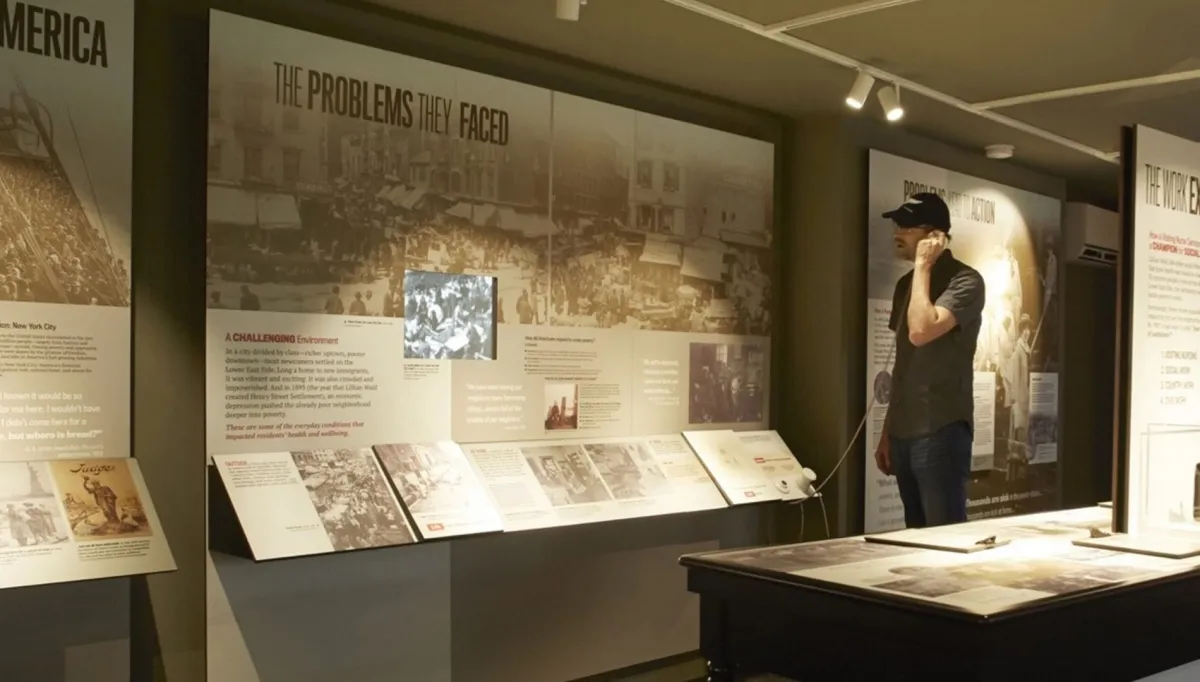 Photo: Henry Street Settlement, via thinksimple.com
The woman who'd been kicked out of nursing school was now advising presidents. Theodore Roosevelt consulted her on child labor laws. Woodrow Wilson sought her input on wartime public health measures. The medical establishment that had once dismissed her was now studying her methods.
But perhaps Wald's greatest achievement was proving that healthcare didn't have to be something that happened to people—it could be something they participated in. Her nurses didn't just treat patients; they taught entire communities how to stay healthy.
The Revolutionary in Sensible Shoes
Wald's approach was so practical, so focused on results rather than ideology, that it's easy to miss how radical she actually was. At a time when most Americans believed that poverty was a moral failing and disease was God's will, she argued that both were social problems with social solutions.
She helped create the Children's Bureau, the first federal agency dedicated to child welfare. She pushed for labor laws that protected workers' health. She advocated for school nurses, public playgrounds, and safe housing—all ideas that seemed impossibly progressive in 1900 but became standard features of American life.
The Lasting Legacy of an Unlikely Pioneer
When Lillian Wald died in 1940, the visiting nurse movement she'd created from nothing was serving communities across the globe. The public health principles she'd developed in the tenements of New York had become the foundation of modern preventive medicine. The woman who'd been deemed unfit for traditional nursing had revolutionized the entire concept of healthcare.
Her story offers a powerful reminder that sometimes our greatest failures prepare us for our most important successes. The nursing school that rejected Wald did her—and the rest of America—an enormous favor. By freeing her from conventional thinking about medicine, they enabled her to reimagine what healthcare could be.
Today, as America continues to grapple with questions about healthcare access, government responsibility, and the social determinants of health, Lillian Wald's insights remain surprisingly relevant. The dropout who revolutionized American public health understood something that many credentialed experts still struggle with: the best medicine isn't always found in hospitals or prescribed by doctors. Sometimes it's delivered door-to-door by someone who cares enough to show up.