When Poverty Painted a Masterpiece: The Farm Girl Who Scandalized American Art
Fifty Dollars and a Dream
Doris Emrick Lee arrived at the Art Institute of Chicago in summer 1935 with $50, a suitcase, and exactly six weeks to prove she belonged. The farm girl from Illinois had saved for two years—selling eggs, mending clothes, and working harvest seasons—to afford one workshop at the country's most prestigious art school.
Most students came from families who could afford full degrees. Lee came with lunch packed in wax paper and a determination that bordered on desperation. At 27, this was her last shot at an art career. After the workshop ended, she'd return to the farm and accept that painting was a luxury she couldn't afford.
Nobody expected her to change American art forever.
The Workshop That Changed Everything
Lee's instructor, Grant Wood, was already famous for "American Gothic." His summer intensive attracted serious students from across the country—most with impressive portfolios and family connections. Lee brought sketches drawn on grocery store paper and watercolors mixed from whatever pigments she could find.
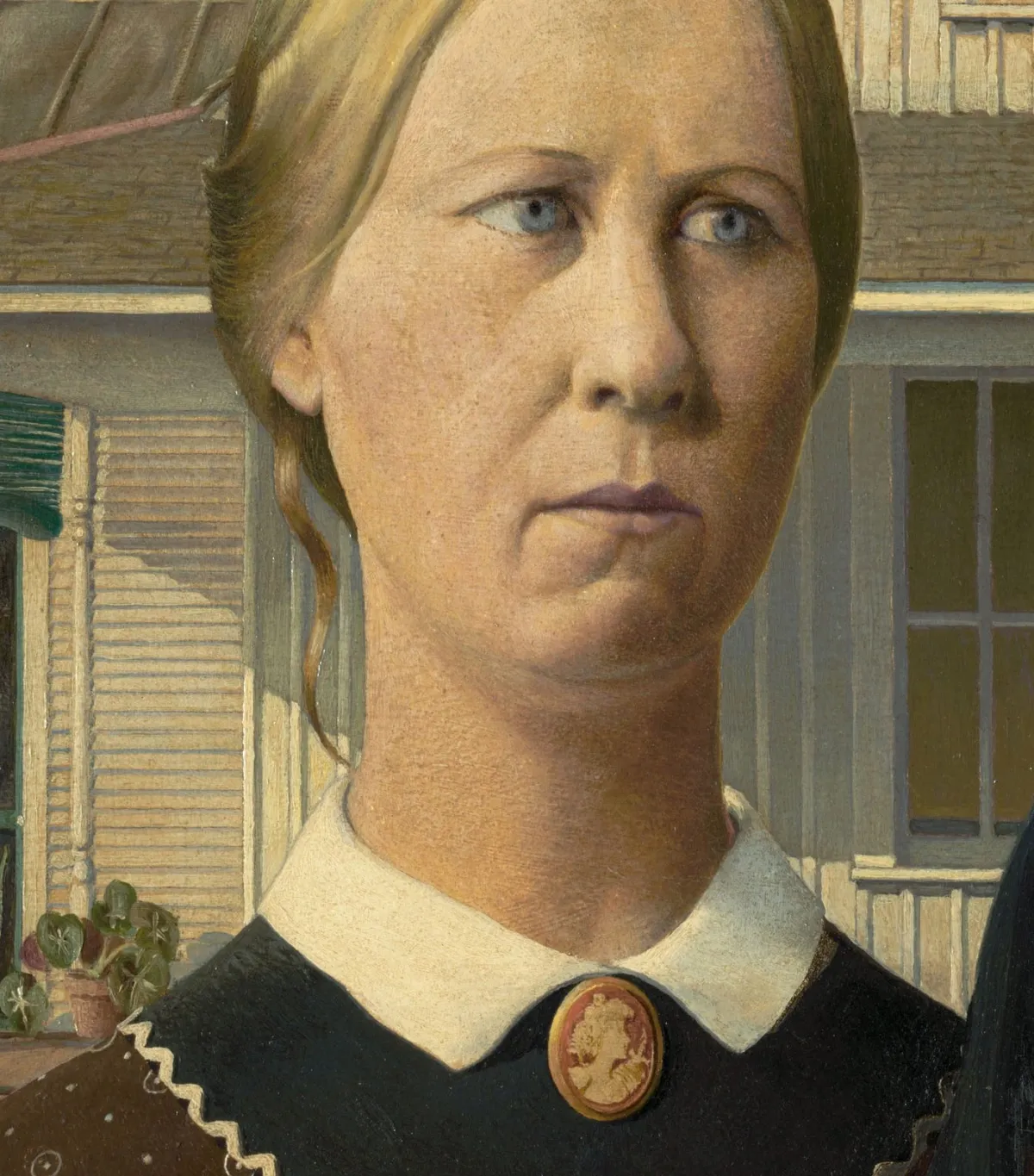 Photo: Grant Wood, via miro.medium.com
Wood saw something different in the farm girl's work. While other students painted careful studies and academic exercises, Lee captured rural life with an honesty that came from living it. Her brushwork was loose, confident, and completely unconcerned with impressing anyone.
The workshop's final assignment was a painting for the Art Institute's annual competition. Students had three weeks to create their best work. Lee chose a subject she knew intimately: a country kitchen during Thanksgiving preparation.
"Thanksgiving" Takes Shape
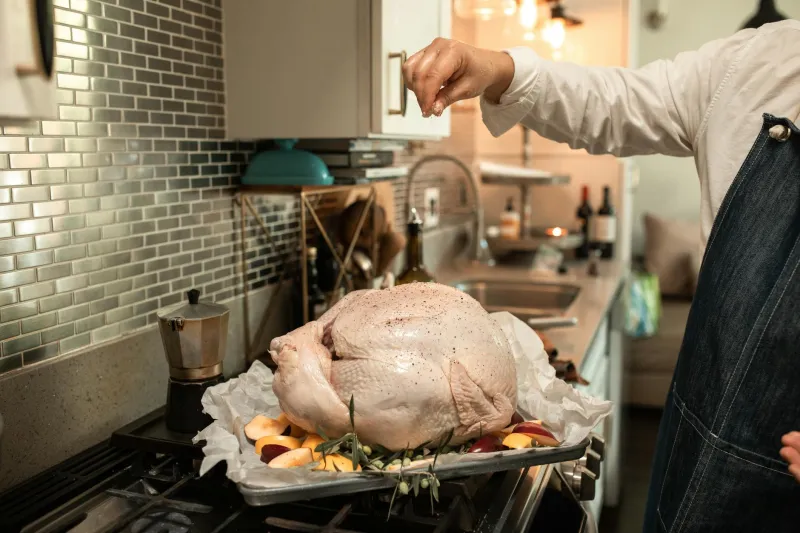
Lee's painting showed a farmhouse kitchen in cheerful chaos. Women prepared turkey while children played underfoot. A dog begged for scraps. Pies cooled on windowsills. The scene buzzed with domestic energy that felt more like a snapshot than a formal composition.
Classmates were puzzled. Lee's technique was confident but unconventional. Her perspective was slightly skewed, her figures exaggerated for emotional effect rather than anatomical accuracy. This wasn't the refined realism that typically won art competitions.
Wood encouraged her to submit anyway. "Paint what you know," he told Lee. "Paint it honestly." She followed his advice, finishing "Thanksgiving" with two days to spare.
The Upset Heard Across America
When the Art Institute announced competition winners in October 1935, "Thanksgiving" took first place. The $500 prize was more money than Lee had seen in years. But the real shock came from the reaction.
Art critics were outraged. How could a amateur's "crude" painting defeat sophisticated works by established artists? "Thanksgiving" was dismissed as folk art masquerading as serious painting. One critic called it "an insult to American artistic standards."
The controversy exploded across national newspapers. Editorials debated whether Lee's victory represented democratic progress or cultural decline. Gallery owners demanded to see the painting that had caused such uproar. Suddenly, everyone wanted to know about the farm girl who'd scandalized the art world.
Accidental Celebrity
Lee returned to Illinois to find reporters waiting at the family farm. Her painting was reproduced in magazines across the country, usually accompanied by debates about its artistic merit. The more critics attacked "Thanksgiving," the more popular it became with ordinary Americans.
Museums began requesting exhibitions. Private collectors made offers. Lee, who'd never sold a painting before winning the competition, suddenly had more commissions than she could handle. The controversy that was supposed to embarrass her instead created a career.
Smart galleries recognized the marketing opportunity. Lee's story—talented outsider defeats establishment favorites—resonated with Depression-era audiences. Her paintings sold because people identified with the artist as much as the art.
Building on Controversy
Lee capitalized on her unexpected fame by staying true to the approach that made her notorious. She continued painting rural American life with the same honest affection that characterized "Thanksgiving." Each new work reinforced her reputation as an authentic voice from America's heartland.
Major museums began acquiring Lee's paintings for their permanent collections. The Metropolitan Museum of Art, which initially dismissed her work as "provincial," purchased three paintings within two years. Critics who'd attacked "Thanksgiving" quietly revised their opinions.
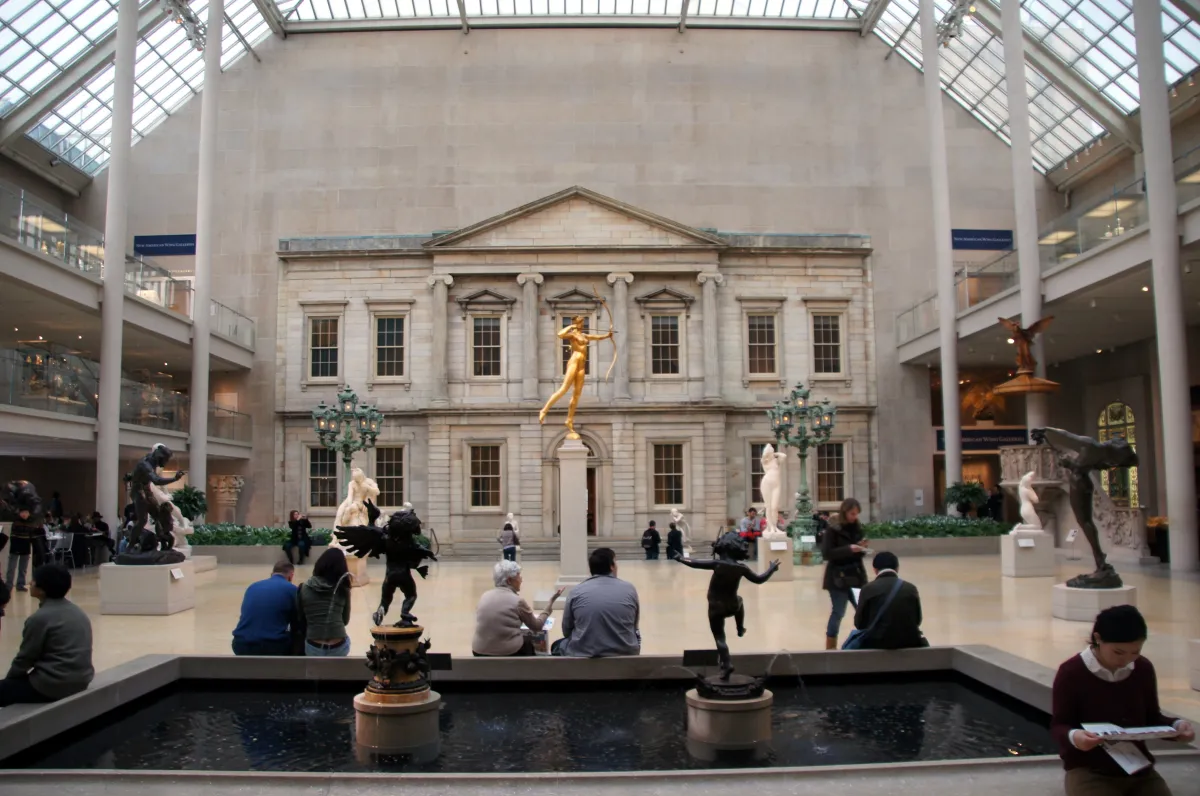 Photo: Metropolitan Museum of Art, via www.visionsoftravel.org
Lee's business instincts proved as sharp as her artistic eye. She understood that controversy had made her valuable and positioned herself as American art's authentic voice. Gallery shows sold out. Book illustrations brought steady income. Teaching positions at prestigious schools followed.
The Last Laugh
By 1940, Lee was earning more from painting than most Americans made in regular jobs. The farm girl who'd scraped together $50 for art school was now commanding thousands per canvas. "Thanksgiving" had been purchased by the Art Institute itself—the same institution whose competition it had supposedly corrupted.
Critics eventually acknowledged what audiences knew immediately: Lee's work captured something essential about American life that academic painting missed. Her loose technique and emotional honesty influenced a generation of artists who valued authenticity over technical perfection.
Lee continued painting until her death in 1983, creating hundreds of works that documented American life across five decades. But none matched the impact of "Thanksgiving"—the painting that proved sometimes the best way to launch a career is by accidentally starting a fight.
The Lesson of Outrage
Lee's story illustrates a counterintuitive truth about breaking into established fields: sometimes the people who object loudest become your best marketing team. The critics who attacked "Thanksgiving" gave it more publicity than any gallery could afford.
Her success came from painting what she knew authentically rather than trying to impress gatekeepers. When establishment voices dismissed her work, popular opinion embraced it. The controversy that was meant to diminish her instead amplified her voice across the entire country.
In the end, poverty and rejection became the exact ingredients Lee needed. Without money for formal training, she developed an original style. Without connections to smooth her path, she created work that spoke directly to ordinary Americans. The farm girl who couldn't afford art school painted her way into permanent collections by staying true to where she came from.