The Number That Started a Revolution

The Letter K That Changed Everything
K. V. Switzer. That's how Kathrine Switzer signed her Boston Marathon application in 1967, and those three letters were about to trigger a revolution that nobody saw coming.
 Photo: Boston Marathon, via thumb-lvlt.xhcdn.com
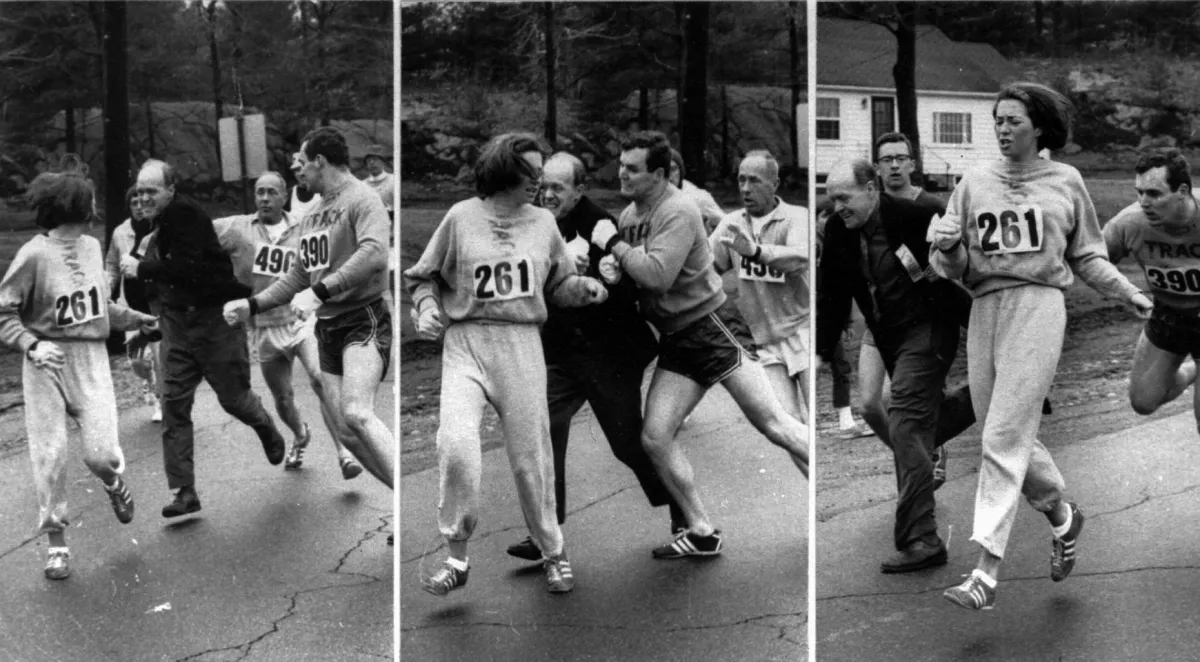 Photo: Kathrine Switzer, via www.bostonherald.com
Switzer wasn't trying to make history when she mailed in her entry form. She was just a 20-year-old journalism student at Syracuse University who loved running and wanted to prove she could handle 26.2 miles. The fact that women were banned from the race seemed more like an oversight than an insurmountable barrier.
After all, she'd been training with the men's cross-country team. She'd already run the distance in practice. How hard could it be to run it officially?
As it turned out, very hard—but not for the reasons she expected.
The Coach Who Believed in Impossible Things
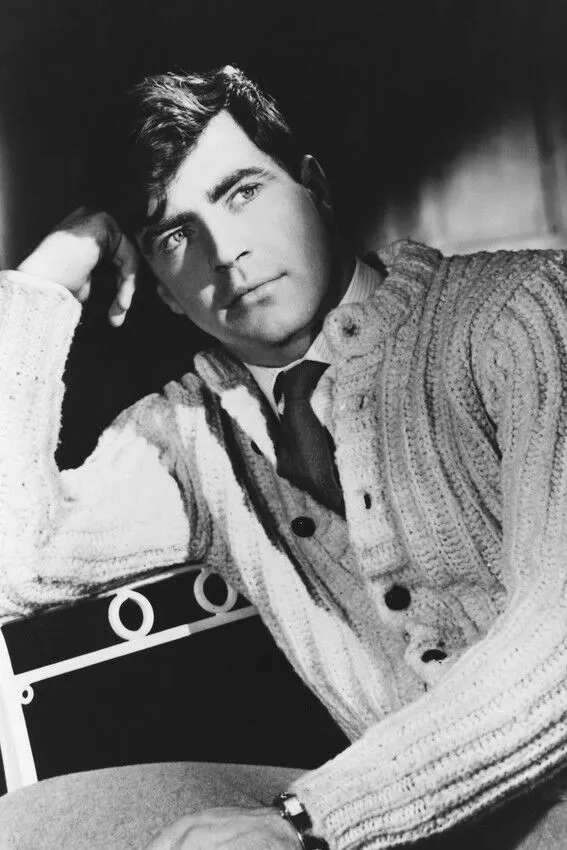
Arnie Briggs was Switzer's coach and the first person who didn't laugh when she said she wanted to run Boston. While the rest of the world insisted that women's bodies couldn't handle marathon distances—that their uteruses would literally fall out from the exertion—Briggs had watched Switzer keep pace with his male runners.
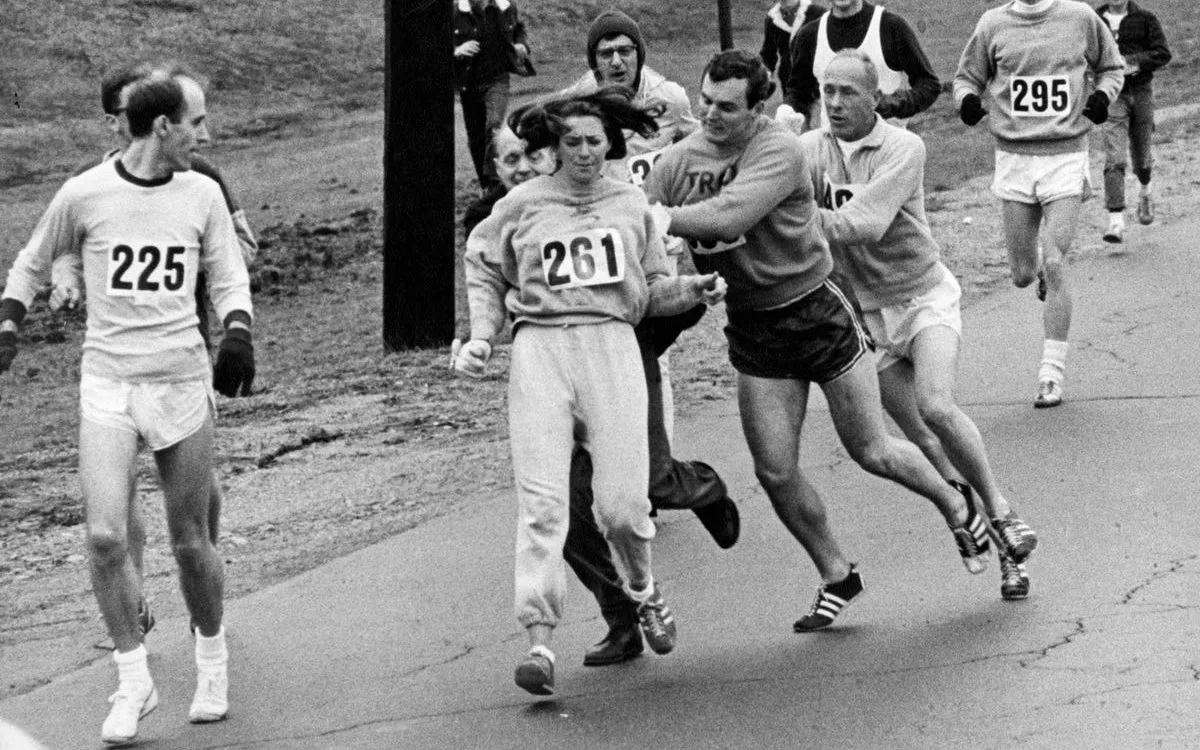 Photo: Arnie Briggs, via courseepique.fr
He'd seen her complete 26-mile training runs. He'd watched her push through pain, exhaustion, and weather that would stop most people. When she asked about Boston, he didn't see a fragile female body that needed protection. He saw an athlete who'd earned the right to test herself.
Briggs helped her train specifically for Boston's notorious course, with its rolling hills and unpredictable weather. More importantly, he agreed to run alongside her as an unofficial pace setter. If the marathon officials had a problem with a woman running, they'd have to deal with him too.
The Morning Everything Went Wrong
April 19, 1967, dawned cold and wet in Hopkinton, Massachusetts. Switzer pinned number 261 to her gray sweatshirt and lined up with 740 other runners, most of whom had no idea they were standing next to history in the making.
For the first few miles, everything went perfectly. Switzer settled into her pace, surrounded by Briggs and her boyfriend Tom Miller, who'd decided to run along for moral support. She was just another runner in a sea of gray sweatshirts, invisible in the crowd.
Then, around mile four, everything changed.
Boston Marathon official Jock Semple had spotted the number 261 and realized—to his horror—that a woman was running his race. Not just jogging along the sidelines like the occasional unofficial female runner, but actually wearing an official number, actually registered, actually making a mockery of everything he believed about women's physical limitations.
Semple's response was swift and violent. He charged at Switzer, screaming "Get the hell out of my race!" and grabbing at her number, trying to physically remove her from the course.
The Photograph That Launched a Movement
What happened next was captured by photographer Harry Trask and became one of the most iconic sports images of the 20th century: Switzer's boyfriend body-checking Semple away from her, while she continued running, her face a mask of determination and shock.
But the famous photograph only shows a split second of a much longer story. What it doesn't show is Switzer's decision to keep running. After Semple's attack, she could have stopped. She could have declared victory simply by proving that a woman could register for and start the race.
Instead, she ran harder.
"I knew if I quit, nobody would ever believe that women had the capability to run 26-plus miles," Switzer later wrote. "If I quit, everyone would say it was a publicity stunt. If I quit, it would set women's running back, way back, instead of forward."
The Longest 22 Miles in History
The miles after Semple's attack were the hardest of Switzer's life, and not just because of the physical demands. Word of the incident had spread ahead of her along the course. Some spectators cheered; others shouted abuse. Race officials debated whether to stop her. Media crews scrambled to follow the story.
Switzer just kept running.
Her feet were blistering. The weather was getting worse. Every step was a statement that women belonged on this course, that their bodies were capable of extraordinary things, that the medical establishment was wrong about female limitations.
When she crossed the finish line in 4 hours and 20 minutes, she'd done more than complete a marathon. She'd shattered the myth that women were too fragile for endurance sports.
The Revolution That Started With a Number
The Boston Marathon didn't officially open to women until 1972, five years after Switzer's run. But her number 261 had already started a revolution that extended far beyond running.
Title IX, the federal law that transformed women's sports in America, was passed in 1972. The first women's Olympic marathon was held in 1984. Today, women make up more than half of all marathon finishers in the United States.
Switzer went on to win the New York City Marathon and become one of the most influential advocates for women's distance running. She created the Avon Running Global Women's Circuit, which organized women's races in 27 countries and helped establish the women's marathon as an Olympic event.
The Finish Line Is Just the Beginning
In 2017, fifty years after her groundbreaking run, Switzer returned to Boston to run the marathon again. This time, she wore the same number—261—that had caused such controversy half a century earlier. She finished in 4:44:31, surrounded by thousands of women runners who existed in the sport because she'd refused to quit when an official tried to physically remove her from a race.
The real lesson of Kathrine Switzer's story isn't about running. It's about what happens when someone refuses to accept that certain things are impossible simply because they've never been done before. She didn't set out to start a revolution—she just wanted to run 26 miles. But sometimes the most powerful changes begin with the simplest acts of defiance.
Switzer proved that the only real barriers are the ones we accept. When she pinned number 261 to her sweatshirt that cold morning in 1967, she wasn't just entering a race. She was entering history, one step at a time.